Getting Your IR Heater Setup Right for Brake Pad Curing
When you’re running a continuous curing oven for brake pads, you’re basically playing a balancing act. You need the resin to polymerize perfectly, but if you push too hard, you’ll scorch the friction material. It’s a thin line. If you’re building a custom heating wall, the biggest headache is usually the vertical distribution of the IR lamps. Get this wrong, and you’re looking at cold spots and inconsistent batches.
The Struggle with Heat Flux and Spacing
Here’s the thing: brake pads aren’t one-size-fits-all. You’ve got tiny pads for compacts and huge ones for trucks. If you just stick to a rigid, fixed lamp grid, you’re asking for trouble. You’ll end up baking the small pads while the big ones barely get warm. We handle this by tweaking the vertical pitch of the IR tubes. Now, we usually go with shortwave IR because it hits the material fast. But there’s a catch. The intensity drops off the moment you move the part away from the lamp. You have to plan your spacing based on the widest possible gap between the pad and the wall. If that gap gets too big, you’ll need to bump up the wattage per tube just to keep the surface temperature where it needs to be.
The Hardware Side of Things
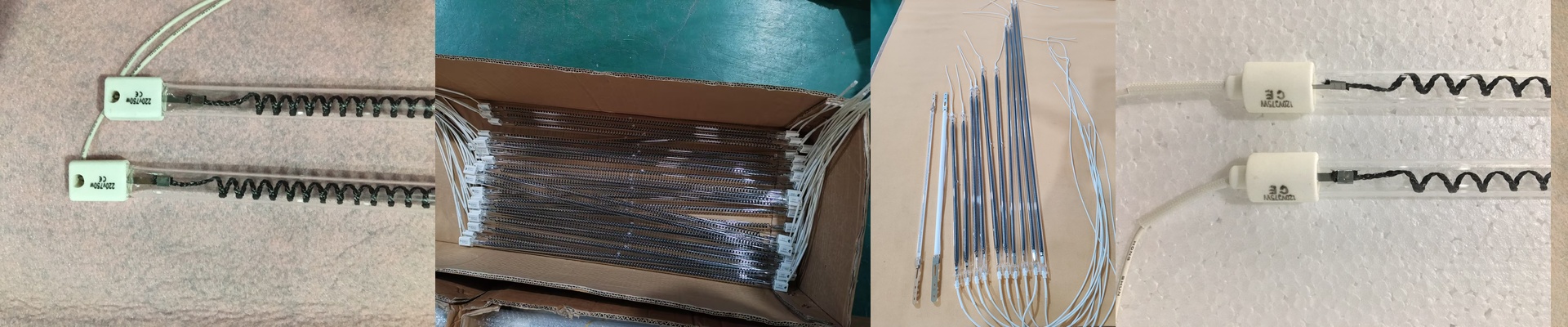
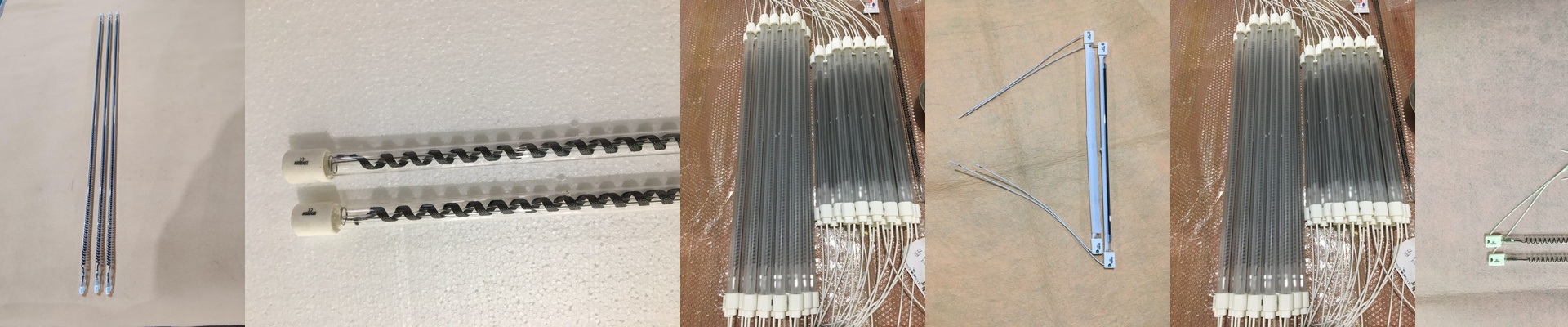
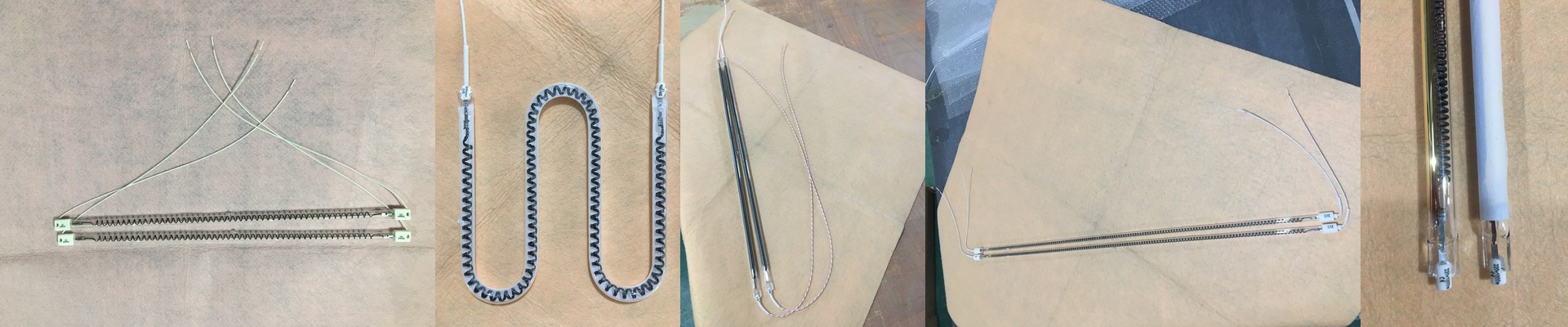
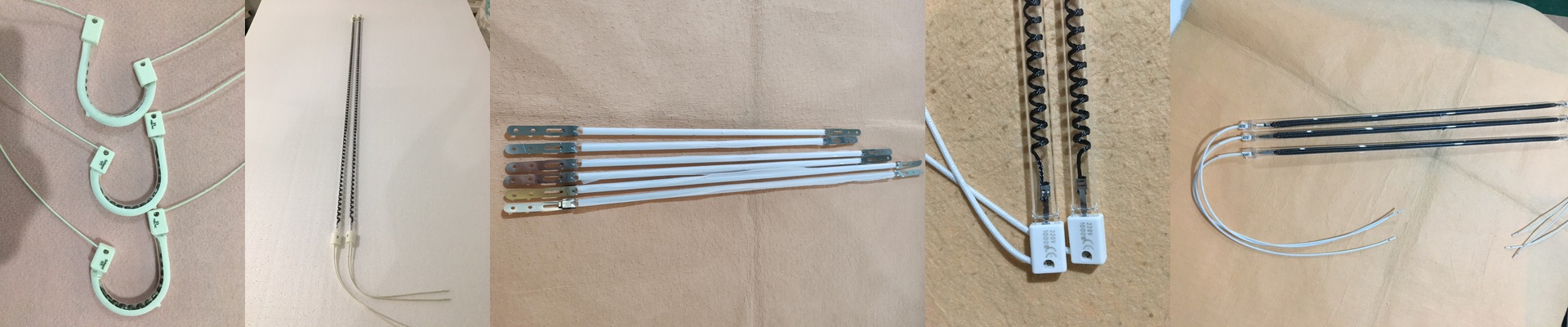
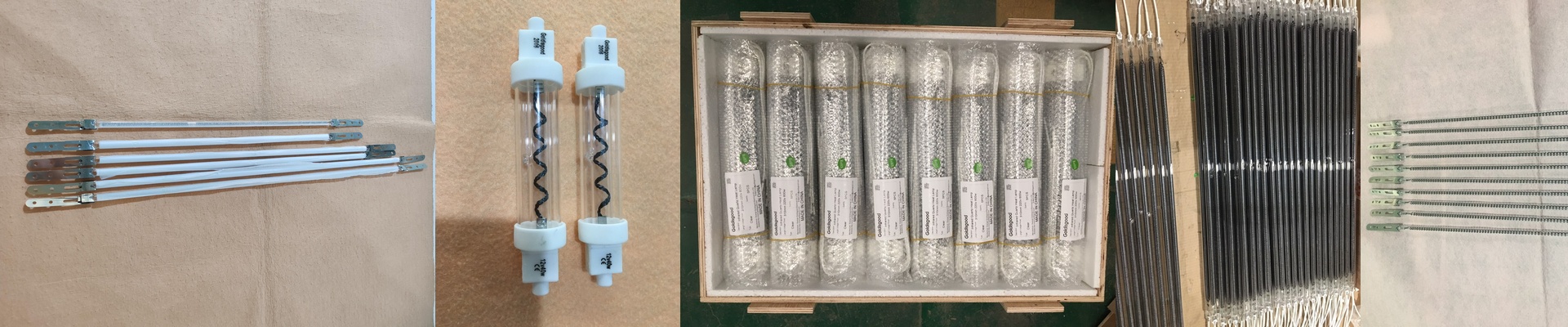
We generally use quartz halogen tubes. They’re great because they ramp up to temperature almost instantly, which is exactly what you need for a moving line. But don’t just wire them all together. You want to break the wall into independent vertical zones. That way, when you switch product runs, you can just tweak a few zones instead of shutting down the whole operation to recalibrate. One warning: high-density lamp arrays getinsanely hot. Not just the pads, but the whole environment. If your chassis and cooling fans aren’t up to the task, your lamps are going to burn out way faster than they should. It’s a waste of money and a huge pain to fix.
Finding the Right Balance
It’s tempting to cram the lamps closer together. Sure, it increases the heat density and speeds up your line. But there’s a trade-off. If they’re too tight, you’ll start seeing “hot stripes” on your pads. It looks bad and affects quality. To fix this, we use reflectors. They help spread the IR radiation out, softening the heat profile. It makes the cure feel more uniform across the entire face of the pad, and it gives you a much more forgiving process.