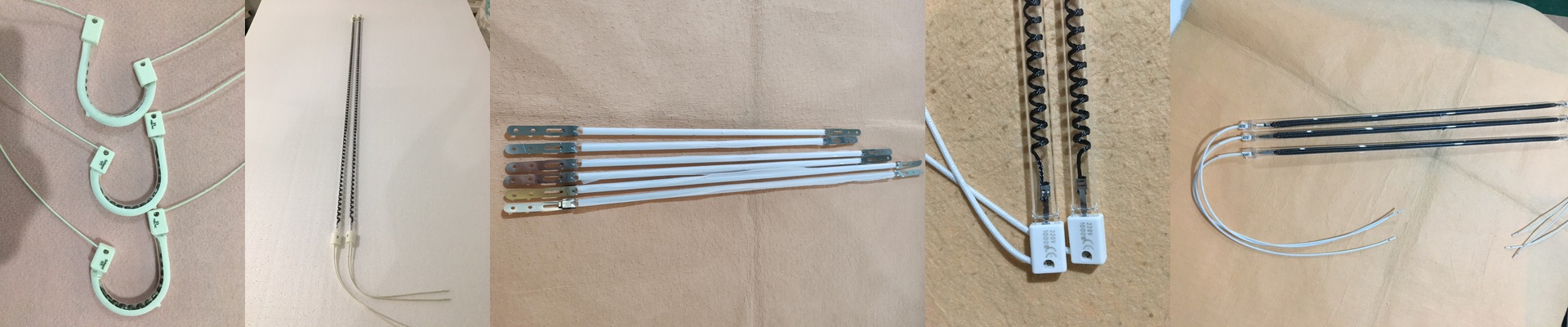
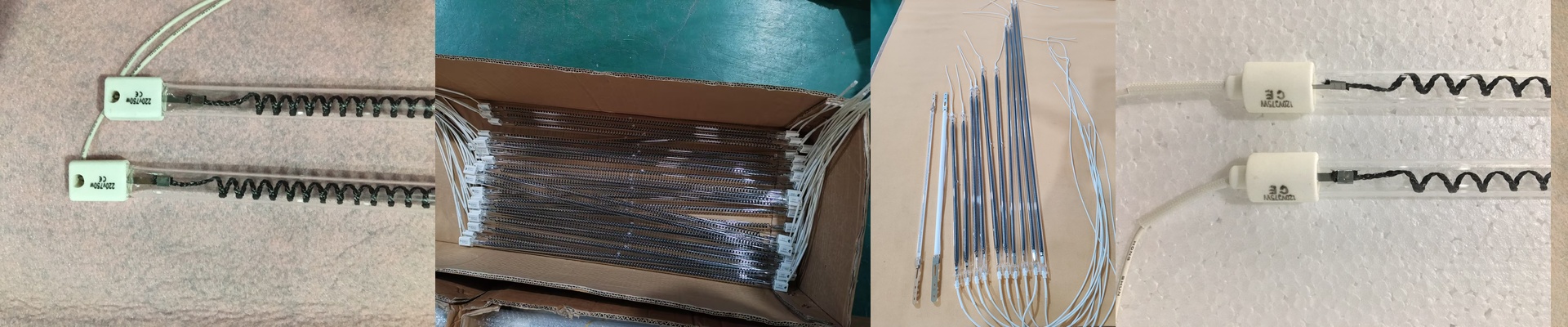
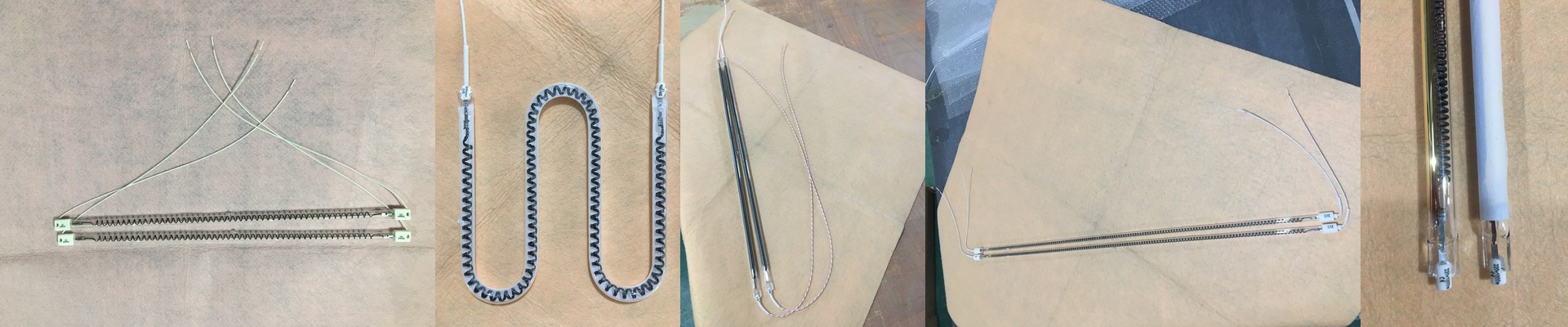
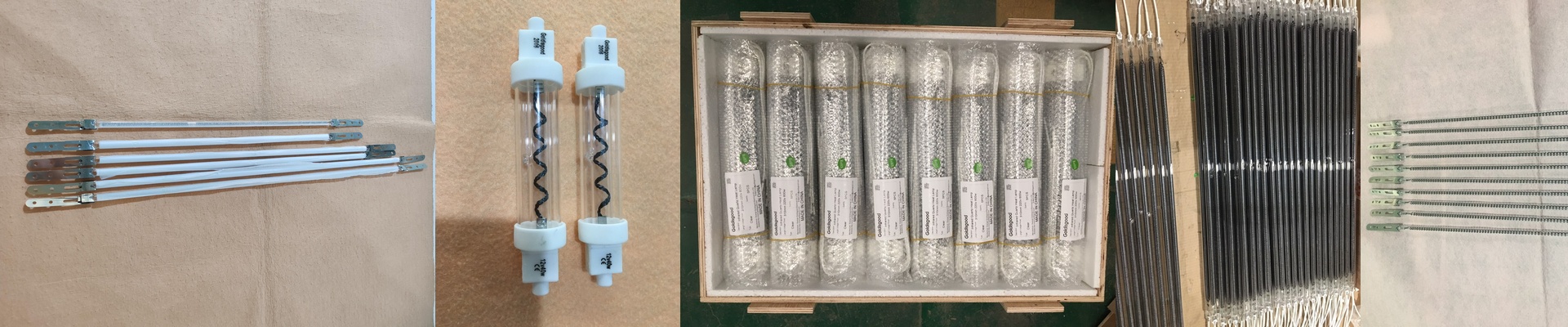
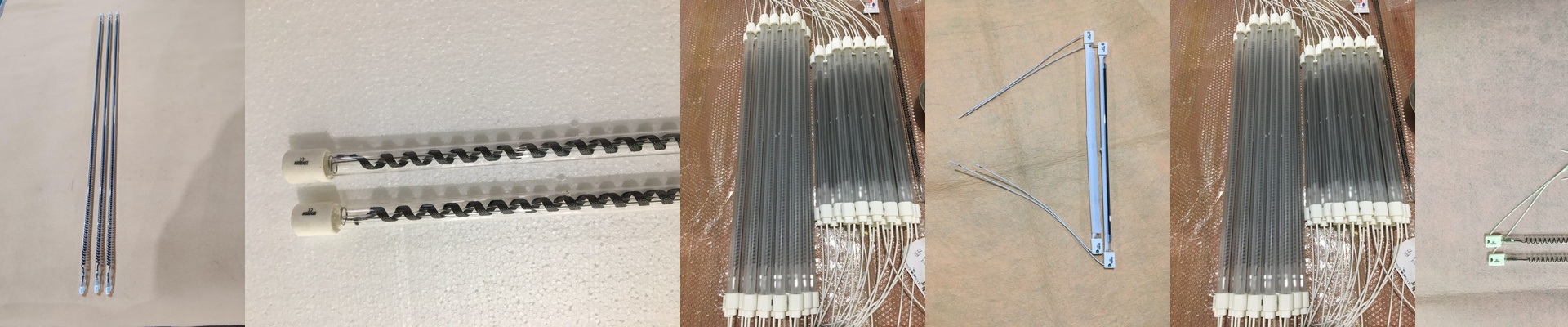
Ever wonder why some brake pads just won’t stop squealing? Usually, the problem starts way before the pad ever touches a car—it happens during curing. If the materials don’t cure evenly, you end up with these weird spots of internal stress and inconsistent density. Once that pad hits the rotor, those inconsistencies turn into vibrations. And vibrations? That’s where that annoying noise comes from. We found a better way to handle this. Instead of relying on those old-school convection ovens, we switched to shortwave infrared (IR) penetration heating. Here’s the thing about standard heat: it mostly hangs out on the surface. You’re basically waiting for the heat to slowly crawl from the outside in. Shortwave IR is different. It actually dives deep into the friction material, shaking up the molecules throughout the entire thickness of the pad. The result? The resin in the core cures at the exact same speed as the outer skin. You get a consistent, solid density across the whole batch. No surprises. To make this work, we use high-wattage quartz halogen emitters. They pack a ton of heat into a very small space. We tweak the voltage and wattage based on how fast your line is moving so the temperature ramps up exactly how it should. We also use reinforced connectors because, let’s be honest, standard ones just burn out when you’re running high-load cycles all day. Now, IR heating is fast. Seriously fast. It shreds the curing times you’d see with hot air. But you can’t just crank it to ten. If you dump too much energy in too quickly, you’ll scorch the surface before the middle even gets warm. That’s why a calibrated PID controller is a must—it keeps the intensity balanced. When you get the tuning right, that “soft core” problem just disappears. By fixing the curing process, you’re killing the noise at the root. It means way fewer rejects on your line and a much quieter ride for whoever is actually driving the car.