Stop the Cracks: Getting Your Brake Pad Curing Right
If you’ve ever pulled a brake pad out of the oven only to find thermal cracks or those annoying little pinholes (porosity), you know the frustration. It usually comes down to one thing: the heat ramp-up. If you blast the material with too much heat too fast, or if the temperature is uneven, you create internal stress. The pad basically fights itself. That’s how you end up with structural failures that kill your quality checks.
Why IR Actually Works
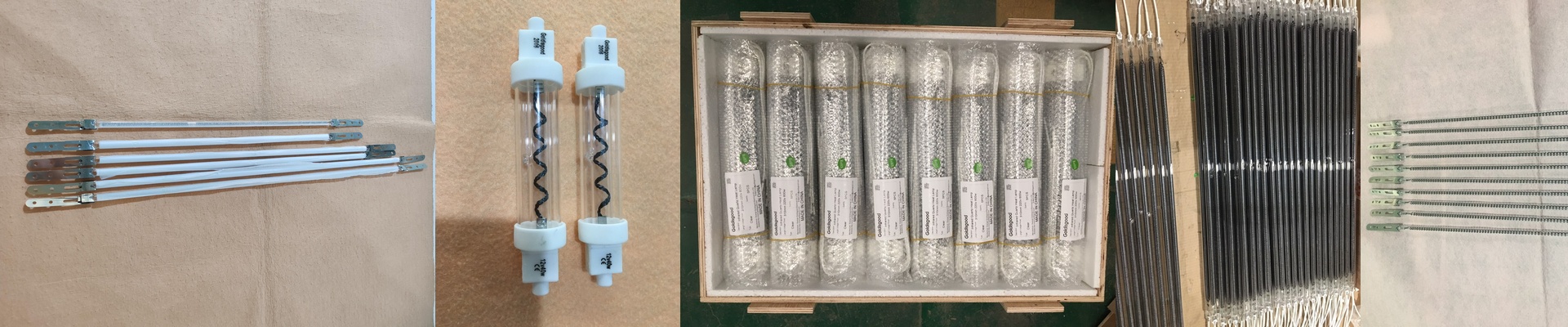
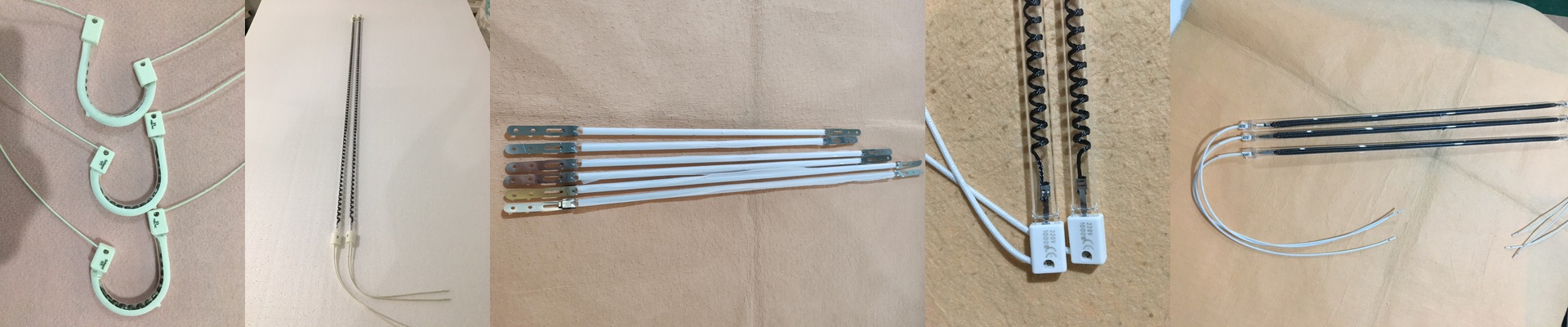
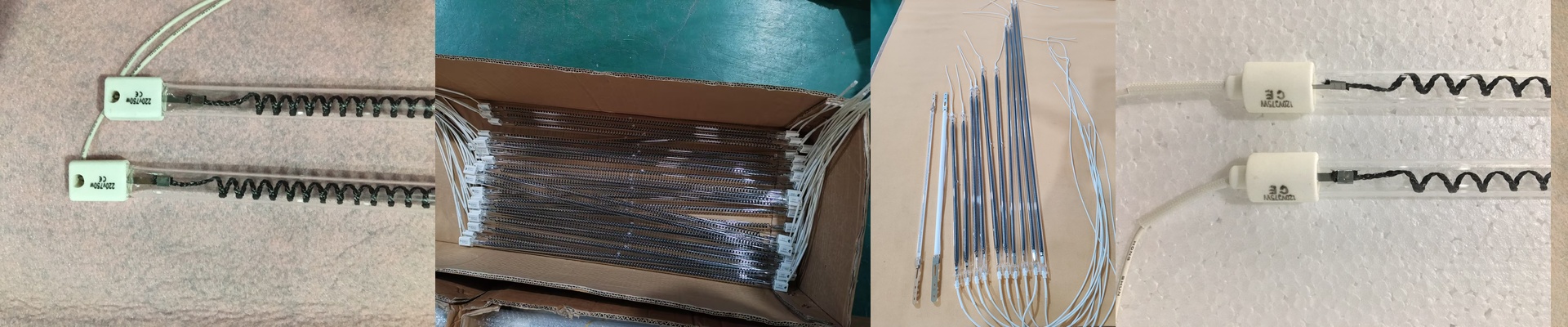
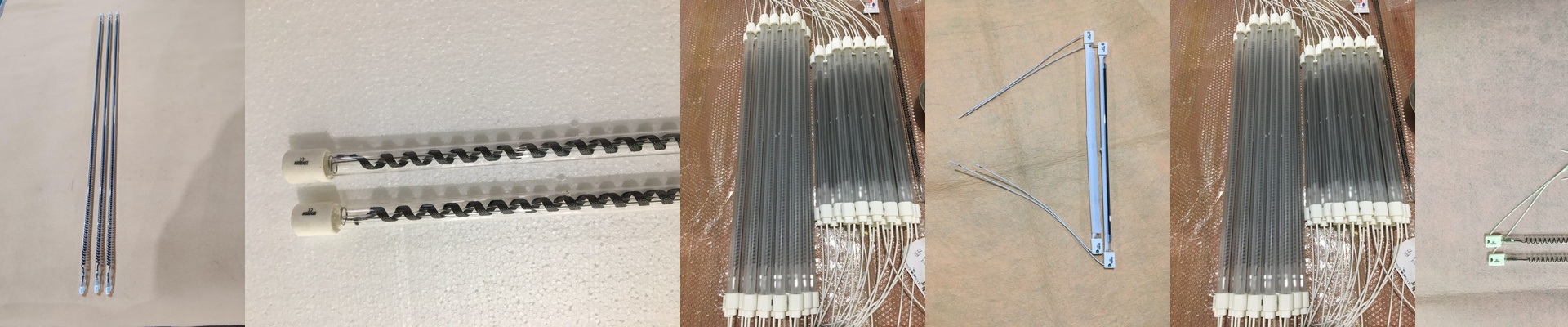
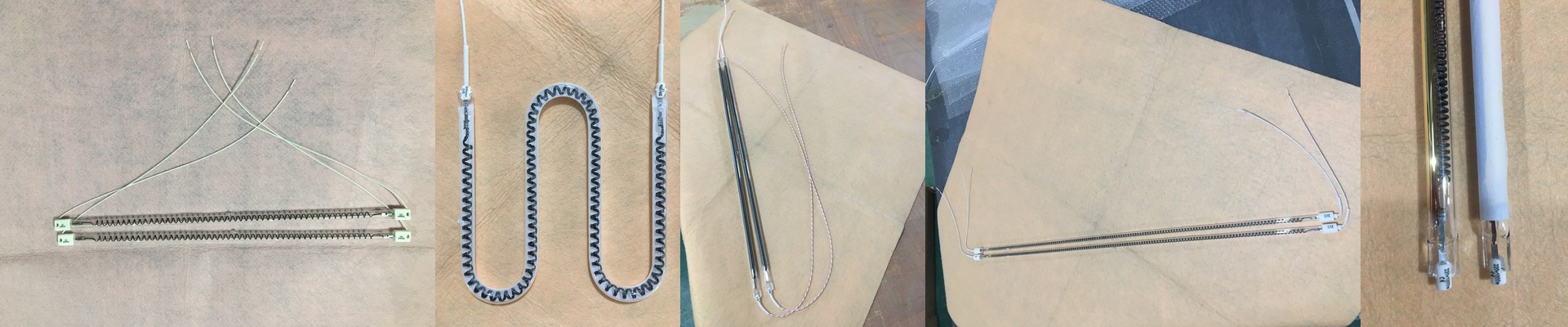
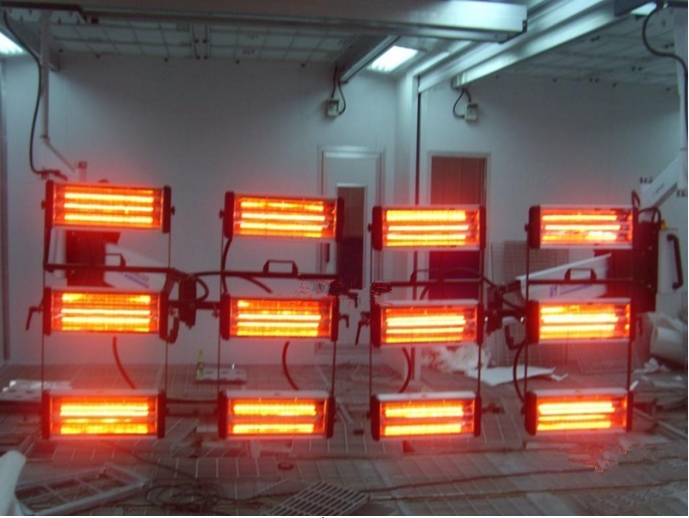
We’ve found that high-intensity short-wave infrared heaters are the way to go. Think about a standard convection oven. It heats the air, and the air heats the part. It’s slow. IR is different. It goes straight into the material. By tweaking the wattage and the distance from the pad, you get a handle on exactly how much heat is hitting the surface. Here’s the trick: you have to avoid the “skin effect.” That’s when the outside of the pad cures and hardens while the inside is still cold. Once that surface seals shut, the volatile gases inside have nowhere to go. They get trapped.Boom—pores. The secret is a staged heating profile. Give those gases a chance to breathe and escape before the resin fully sets.
Dealing with Thermal Stress
Thermal cracking happens when the difference between the surface temp and the core temp is just too wide. It’s a violent transition for the material. To fix this, you need a heater that reacts fast. I always suggest using closed-loop pyrometry. Instead of guessing, you monitor the actual surface temperature of the pad in real-time. Your controller then throttles the lamps up or down. It stops those “hot spots” from forming, which means no local expansion and, more importantly, no cracks.
The Trade-off
Now, there is a catch. High-intensity IR puts out a massive amount of heat. It’s great for getting pads through the line faster, but it’s hard on your gear. If your housing isn’t vented properly, the ambient heat just builds up in the machine. This messes with your precision and, eventually, burns out your lamps. Make sure your airflow is beefy enough to haul that waste heat away. Your equipment—and your sanity—will thank you.