Getting the Heat Right in Paint Booths (Without Burning Everything)
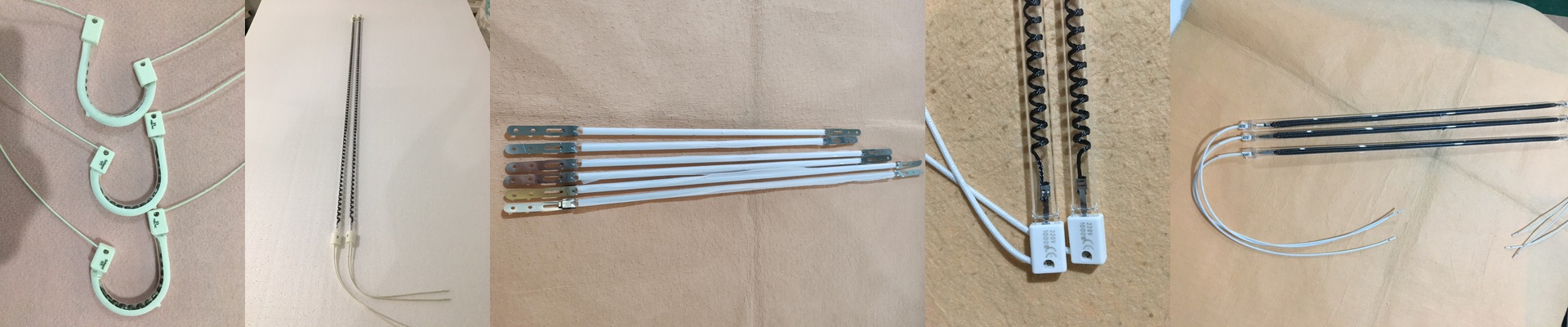
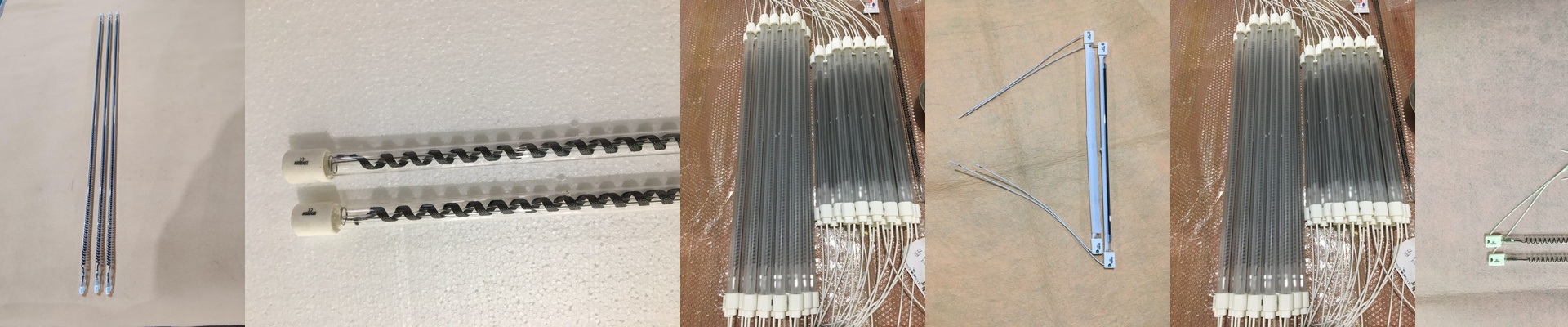
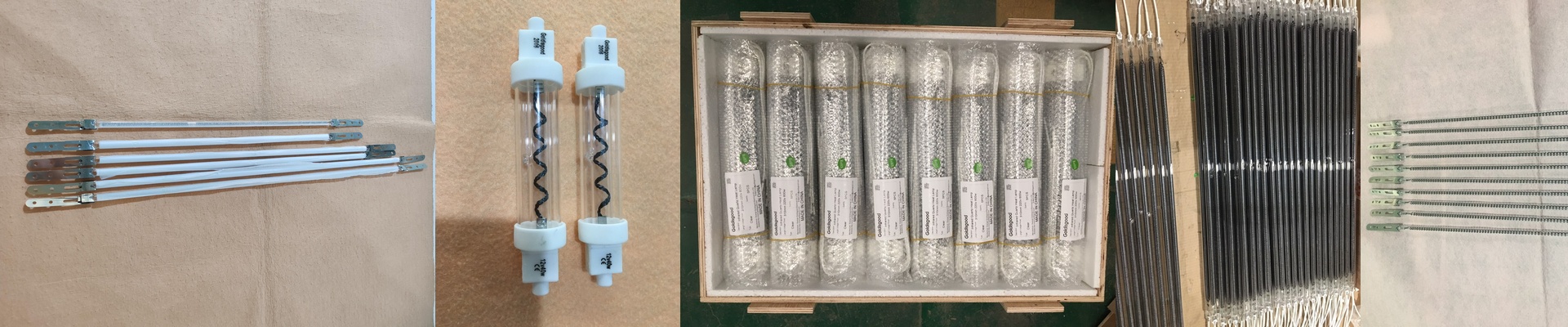
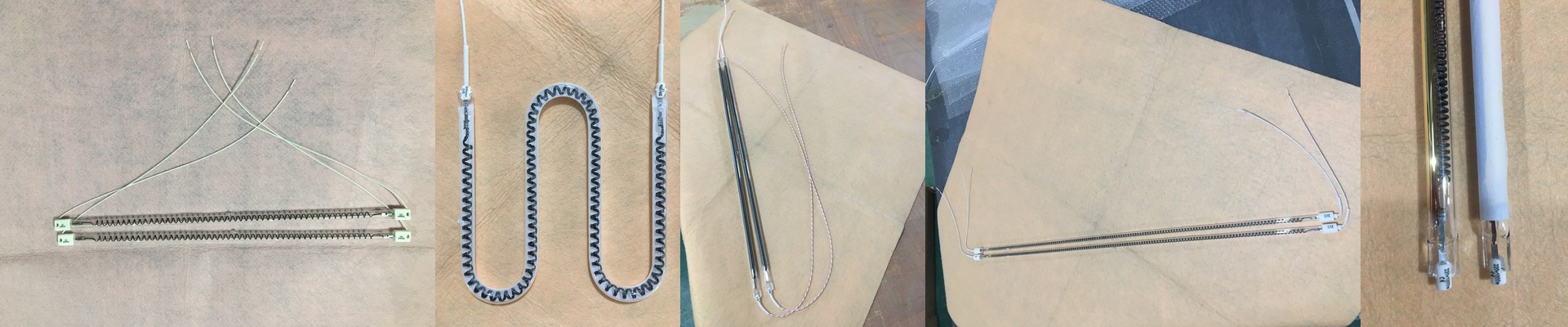
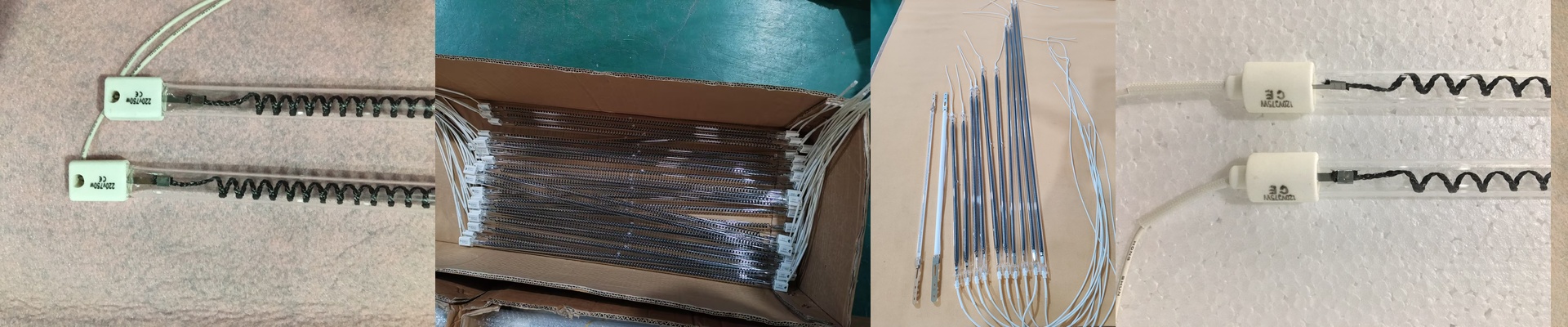
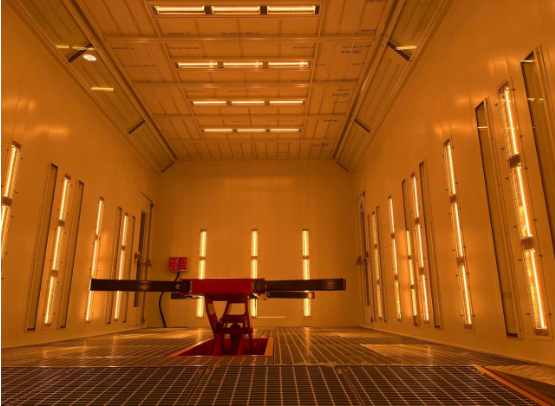
When we’re building custom heating walls for paint booths, we run into the same headache every time: vehicles aren’t one-size-fits-all. Think about it. You’ve got a tiny compact sedan coming in one minute, and a massive, heavy-duty SUV the next. They hold heat differently. They’re different heights. If you just slap a standard grid of lamps on the wall, you’re asking for trouble. You’ll end up with low-profile parts that are scorching hot and tall chassis that are still cold to the touch. The trick is in the spacing. Instead of just spacing the tubes evenly, we play around with the vertical gap. Whether it’s for automotive paint or curing brake pads, we put more lamps where the heat actually needs to be absorbed. We usually go with shortwave infrared tubes. They’re great because they punch through the paint layer way faster than longwave options. But you have to be careful. If the lamps at the bottom are too tight, you’ll burn the surface of the lower components. So, we give them some breathing room. Up top? That’s where the heat likes to escape. We tighten the spacing there to keep the temperature steady. But there’s a catch. Sure, packing in more lamps gives you a massive blast of heat, but it puts a lot of stress on your power. If you cram 2kW tubes too close together, the wall frame itself can start to overheat. It’s a real pain. You have to make sure your ventilation is actually doing its job, pulling that ambient heat away from the wiring before something melts. Since these things run hot, we use quartz glass envelopes. Industrial shops are rough on equipment, so we mount the tubes in reinforced brackets. It keeps them from rattling and prevents those annoying, expensive breaks caused by vibration. Making it actually work in the real world. The real magic happens in the control system. We set it up with zoned switching. By dividing the wall into vertical banks, you can just flip a switch and turn off the top rows when you’re working on a smaller car. It stops you from wasting electricity and keeps you from “over-baking” the air in the booth. Plus, we wire these in parallel. That way, if one tube decides to quit, the rest of the wall keeps humming along. You don’t have to shut down the whole line just because one bulb burned out.