Stop the Warp: Dealing with Spring-back in Car Interiors
Ever pull a part out of the heat former only to watch it slowly warp or “spring back” right in front of you? It’s frustrating. You did everything by the book, but the part just won’t hold its shape. Usually, it’s because the internal stress didn’t let go, or the piece cooled down unevenly. The old way to fix this was just cranking up a single-temperature oven, but that’s like trying to perform surgery with a sledgehammer. Instead, we’ve found thatzonal IR heatingis the way to go.
Why “Zones” Actually Work
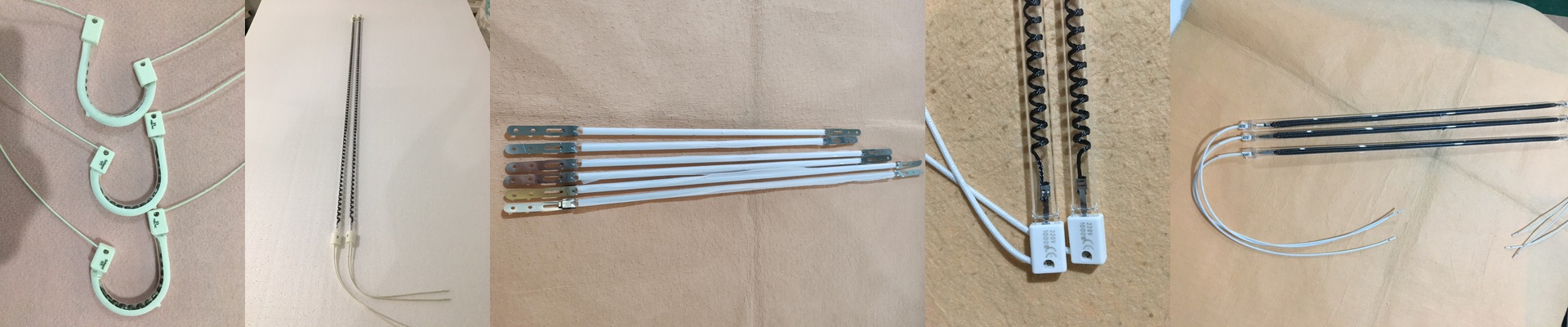
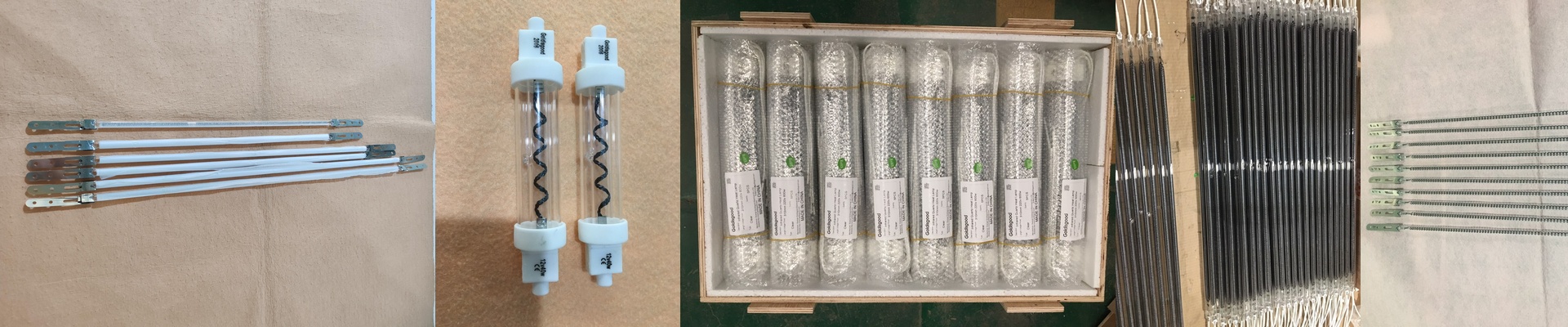
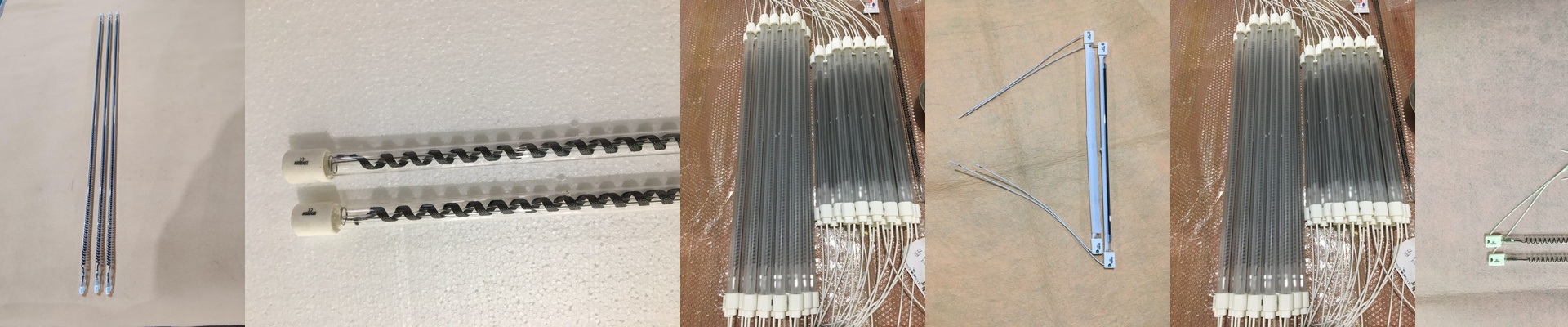
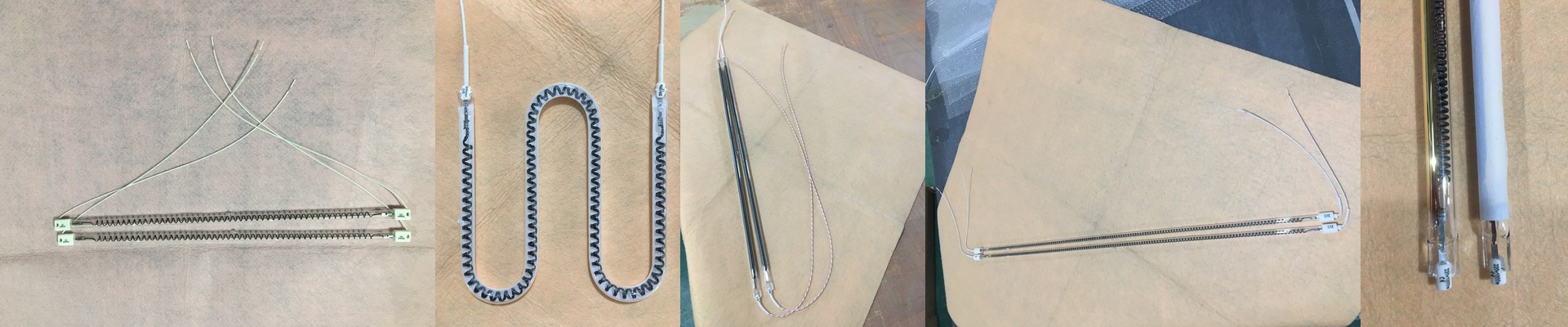
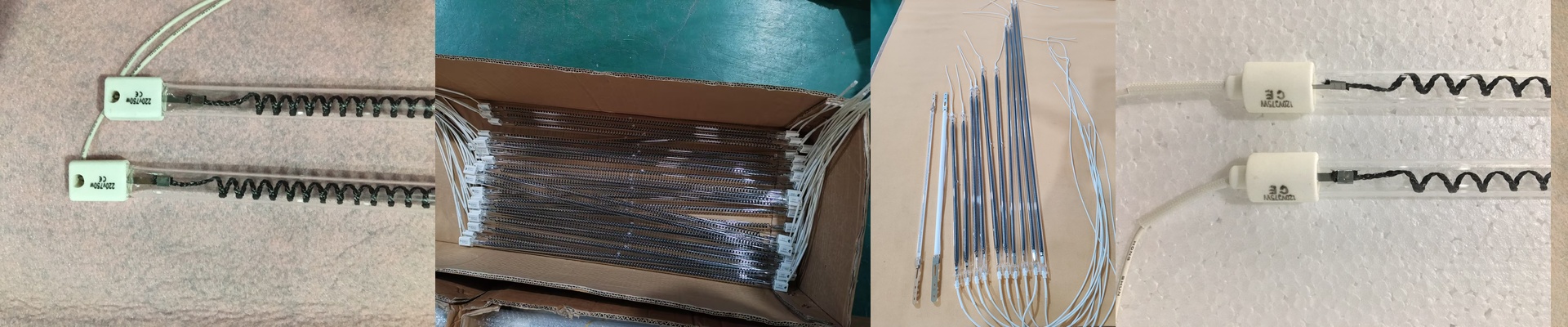
Think about the part itself. You’ve got thick chunks of plastic in some spots and thin, fragile edges in others. If you hit the whole thing with the same heat, the thin parts fry while the thick parts are still cold in the middle. That’s where those annoying “hot spots” come from, and they’re exactly what pull the material out of shape. We use short-wave IR emitters to fix this. These lamps don’t just warm the surface; they sink deep into the polymer, fast. By splitting the oven into independent zones, you can blast the thick sections and go easy on the edges. It forces the material to set exactly where you want it. Best part? You can finally throw away those secondary corrective jigs.
The Balancing Act: Heat vs. Burn
High-wattage IR tubes are great because they ramp up quickly. You get to your forming temperature in a flash, which means the rest of your assembly doesn’t have to soak in heat longer than it needs to. But you have to be careful. If you cram too many watts into one tiny area, you’ll scorch the surface before the core even gets warm. To stop that from happening, we play around with the lamp distance and use reflective shielding. It basically bounces the stray heat back into the workpiece so nothing goes to waste.
The Catch (Because there’s always one)
Now, this isn’t just “plug and play.” Zonal control makes your wiring and PLC logic a bit more crowded. You aren’t just flipping a single switch anymore; you’re balancing several PID loops at once. If your sensors are off or tucked in the wrong spot, you’ll get temperature swings that are actually worse than a basic oven. Plus, your cooling system needs to be beefy enough to handle all that concentrated IR heat, otherwise, you’ll end up overheating the entire oven chassis. It’s a bit more work upfront, but seeing a part come out perfectly straight makes it worth the headache.