Stop the Cracks: Getting Your Brake Pad Curing Right
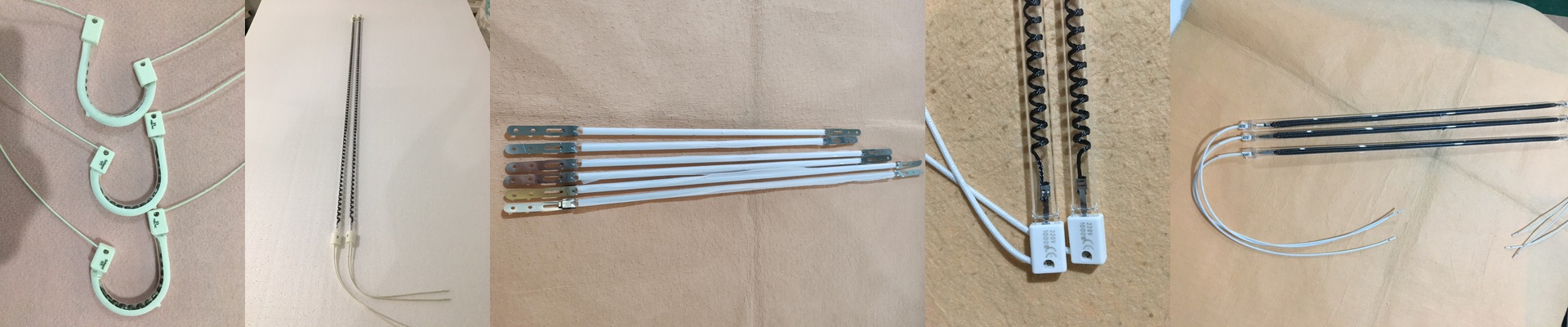
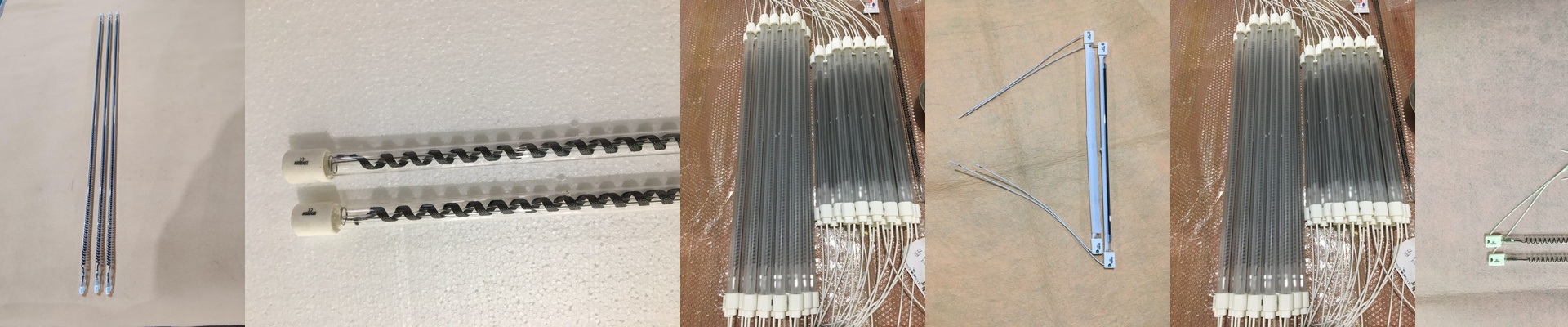
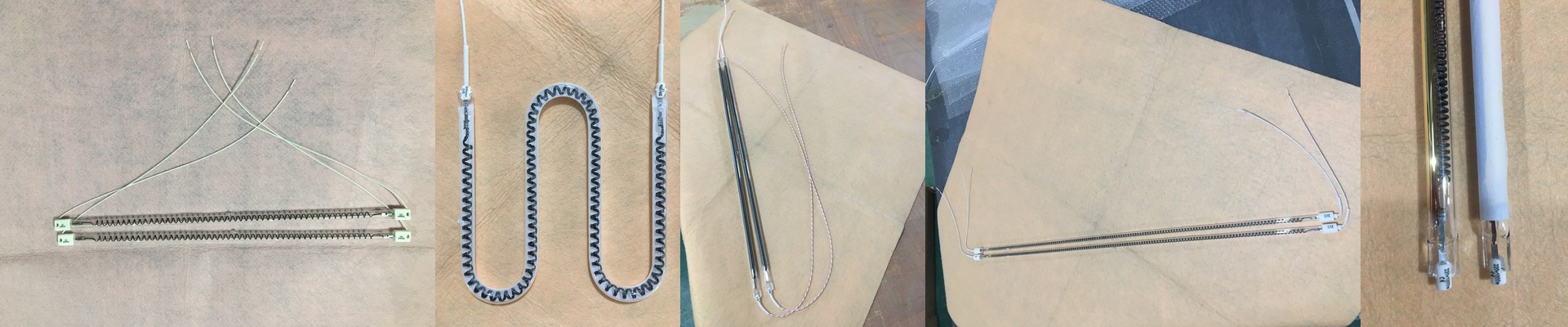
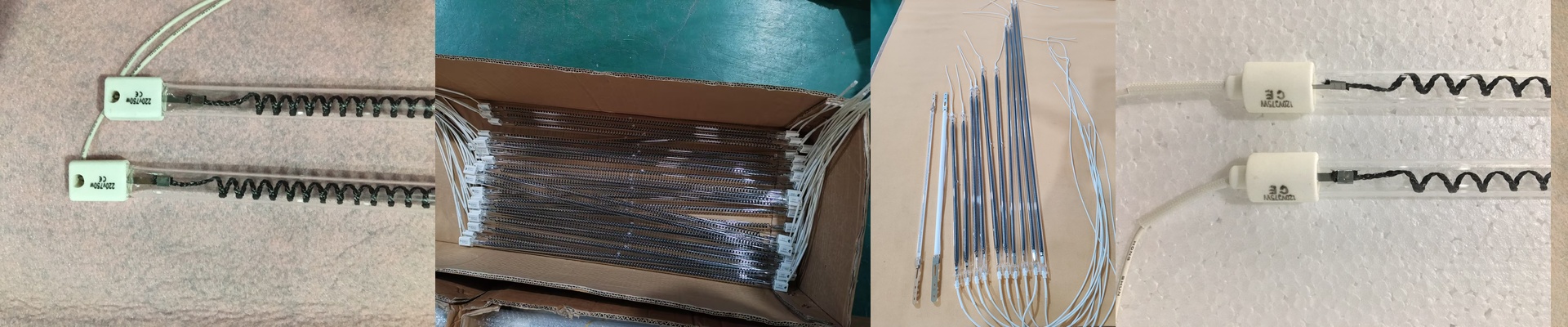
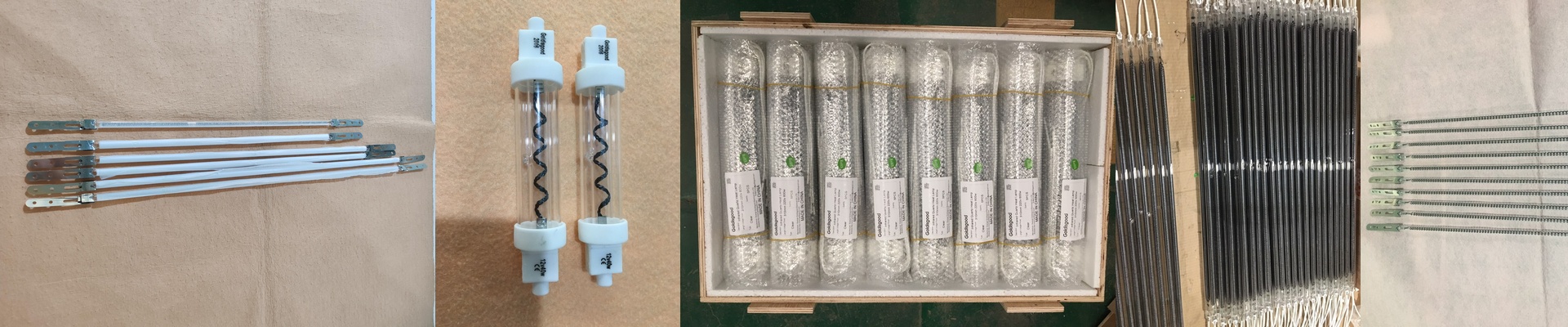
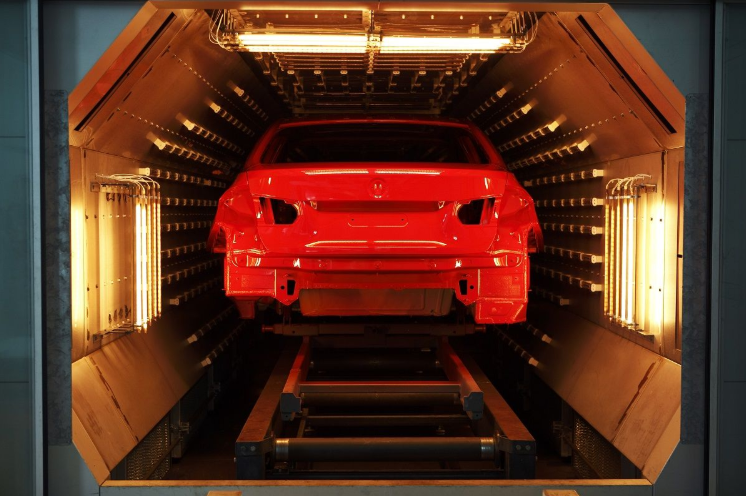
Curing brake pads is a bit of a tightrope walk. If you crank the heat too fast, the volatile gases get trapped inside because they simply can’t get out in time. That leaves you with a spongy, porous mess. But if the heat hits the pad unevenly? The material shrinks at different speeds, and you end up with thermal cracks. It’s a headache. But we’ve found that precision IR curing lamps take most of that stress away. Getting the heat where it needs to go To keep those cracks from forming, you can’t just blast the surface. You need a specific wavelength of IR radiation that actually sinks into the friction material without burning the top layer to a crisp. We use shortwave IR. It’s got the punch needed to get those phenolic resins polymerizing. You can tweak the wattage and move the lamps closer or further away to dial in the heat flux. High-wattage lamps get you up to temp fast, but you’ve got to pair them with a PID controller. Otherwise, you’ll overshoot your target and ruin the batch. The gear that actually holds up We stick with quartz-halogen elements. Why? Because they can handle the constant on-and-off cycling without giving up. We usually wire them with R7s or SK15 connectors—they’re sturdy and won’t shake loose on the curing rack. One pro tip: use a coated quartz tube. It helps spread the heat evenly so you don’t get those annoying “hot spots” that burn out the resin in one tiny area. The trade-offs you should know about Switching to IR heating is great because it kills the guesswork you get with old-school convection ovens. Your setup takes up less space and your cycle times drop. But it’s not all magic. These lamps pull a lot of power. You’ll need to make sure your electrical panels can handle that initial hit of inrush current when they kick on. Also, keep an eye on your cooling blowers. If they’re too small, the air inside the chamber gets too hot, and your resin might start curing before the pad is even fully seated. And that’s a problem you don’t want.