Keeping the Power Steady in Brake Pad Curing
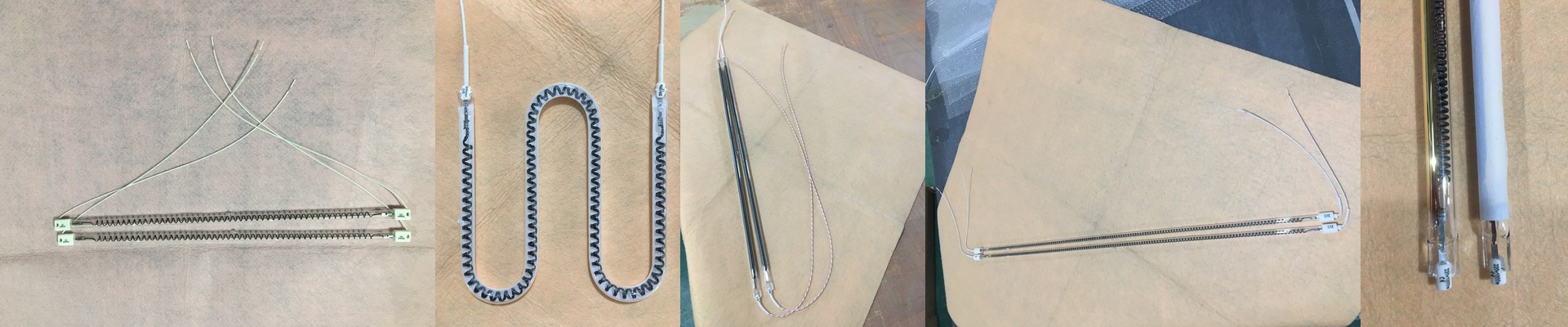
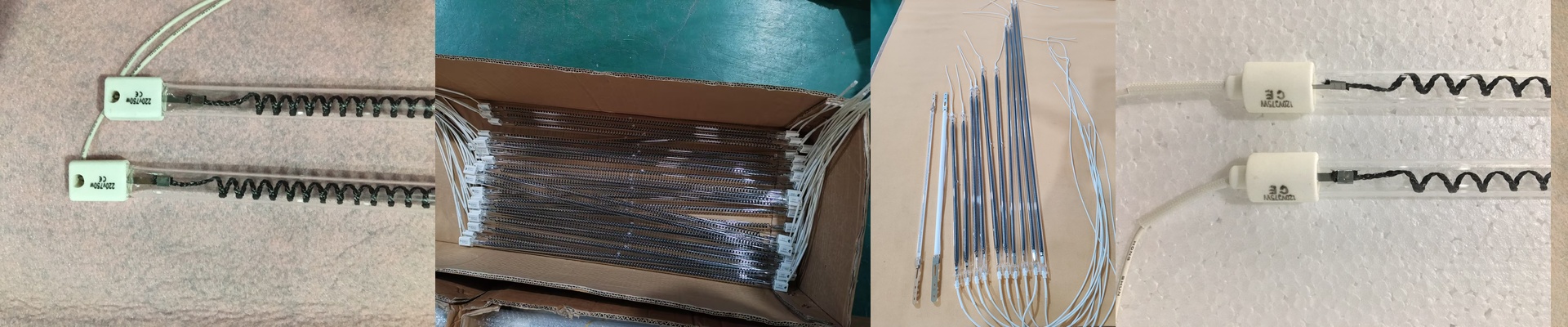
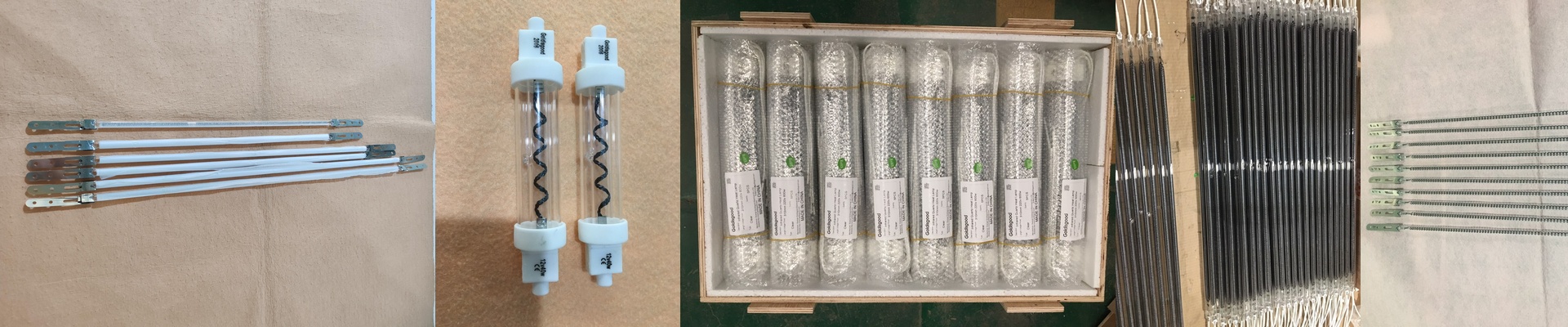
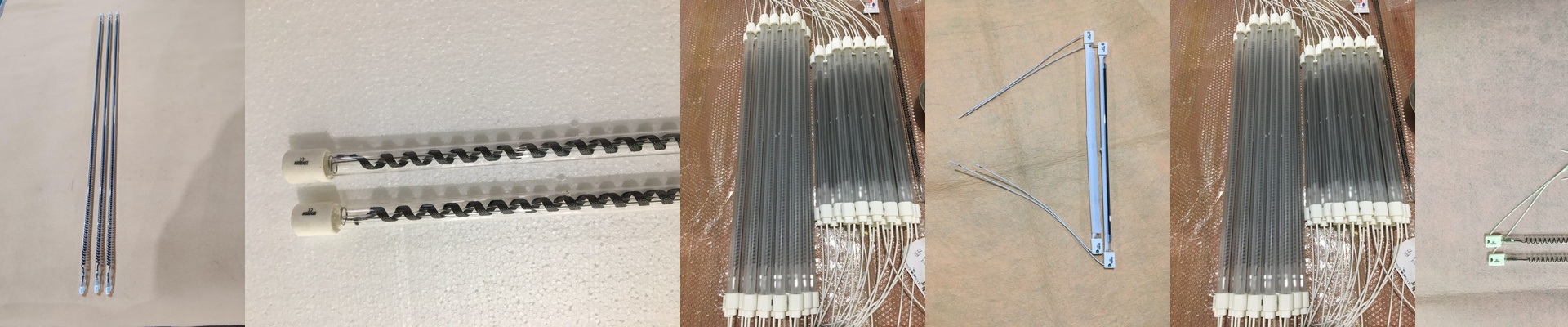
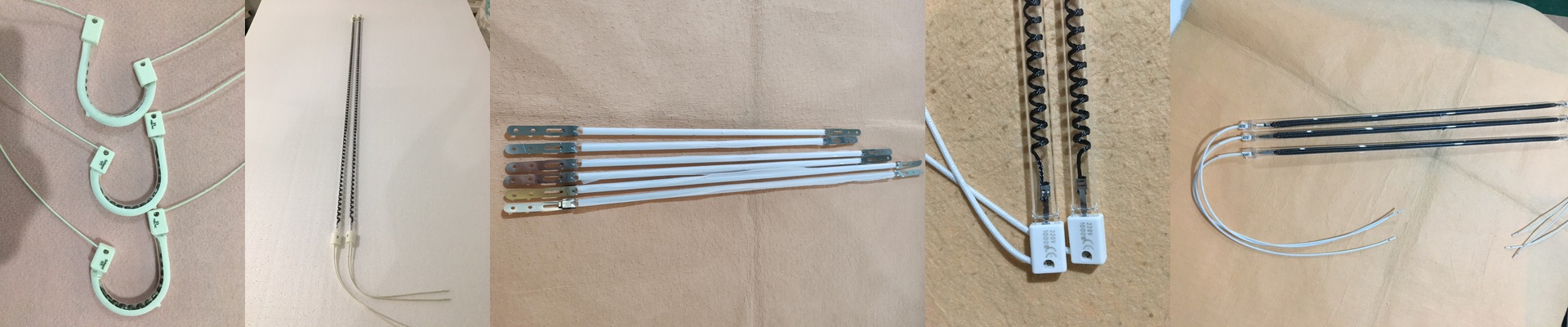
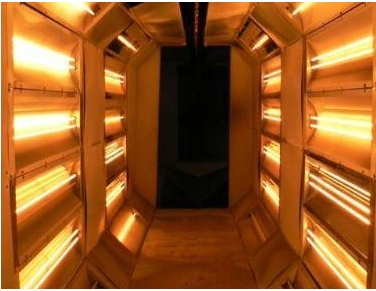
When you’re running a brake pad line 24/7, there’s no room for “almost.” If your infrared output dips or spikes—even for a second—the coating doesn’t cure evenly. You end up with inconsistent friction levels and a pile of rejected parts at the QC station. It’s a headache nobody needs. That’s why we build our IR modules to stay rock-solid. The secret to steady heat It mostly comes down to how we handle the quartz lamp’s electrical load and thermal mass. We use high-wattage shortwave emitters because they keep the heat flux steady, even if you crank up the conveyor speed. But here is the real trick: tungsten tension. In cheap lamps, the filament sags over time. Once it sags, the spectral output shifts, your curing times start drifting, and suddenly your process is out of whack. We keep that tension tight so the heat stays exactly where it belongs. Gear that actually lasts Let’s be honest: standard lamps just can’t handle a 24/7 workload. They burn out. We use heavy-wall quartz glass because brake pad resins release chemical vapors that eat through the flimsy stuff. And we fixed the connectors, too. Most setups fail at the terminals because they oxidize or wiggle loose as they heat up and cool down. You won’t find that annoying “arcing” here—the kind you usually get with those cheap R7 or Sk15 replacements. A quick word of caution High heat density is great, but it’s a beast to manage. Running these modules at full tilt creates a massive amount of ambient heat around the housing. You can’t just slap these into an old legacy frame and hope for the best. You’ll need cooling fans and ducting that can actually move the air. If you don’t pull that heat away, you’re looking at melted wiring insulation. Not a good look. We build these for the actual shop floor. They’re designed to take a beating and keep the wattage flat—as long as your power is clean and your cooling is up to the task.