Getting Your IR Wavebands Right for Brake Pads
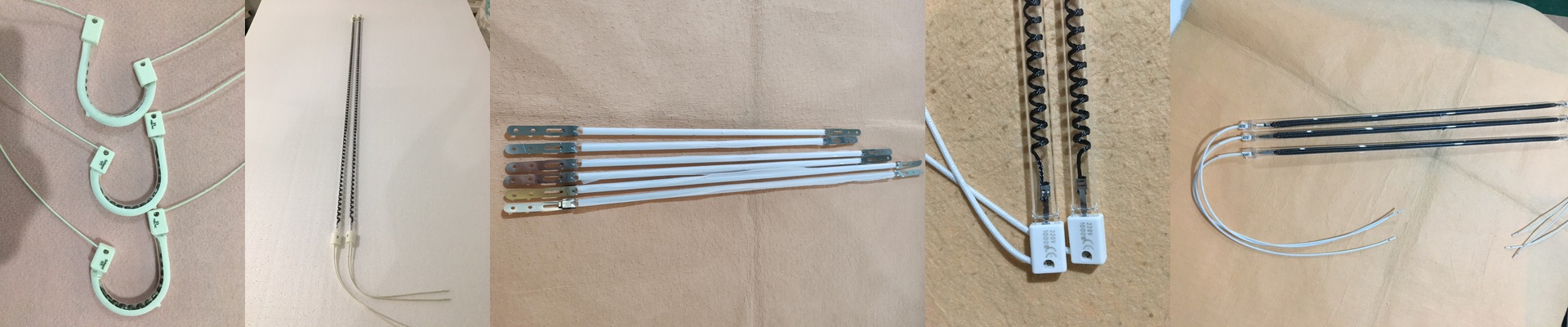
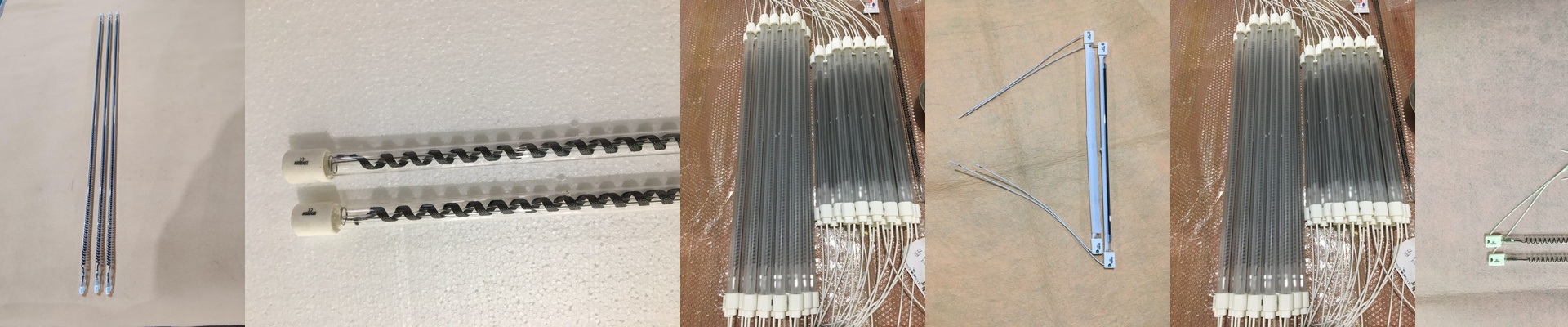
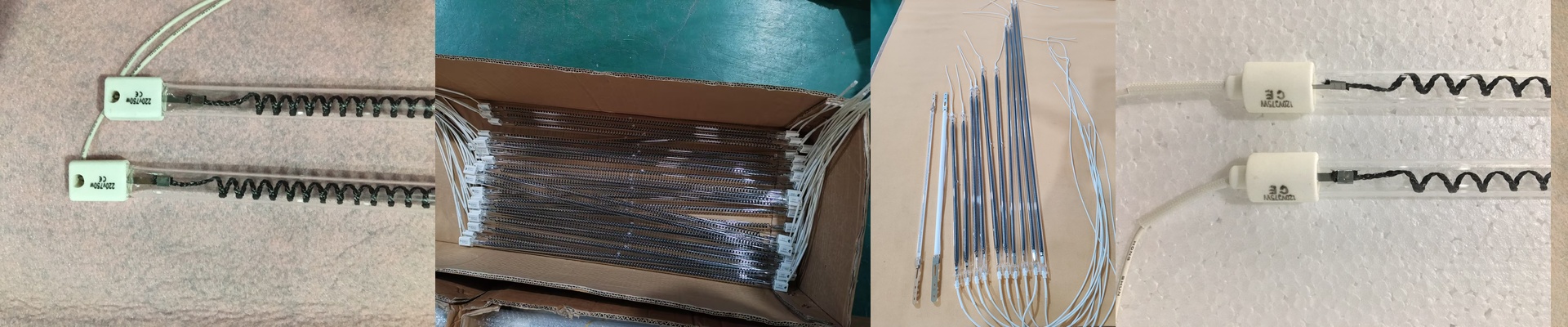
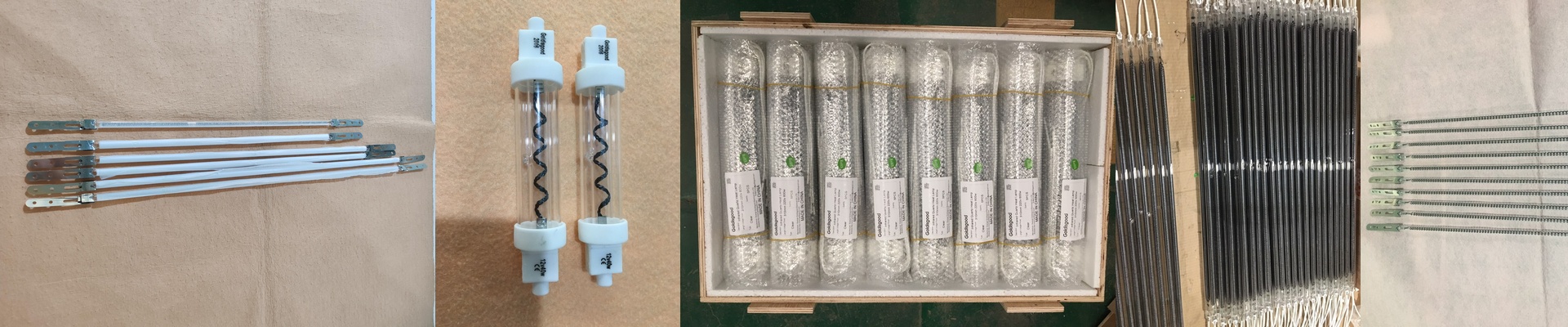
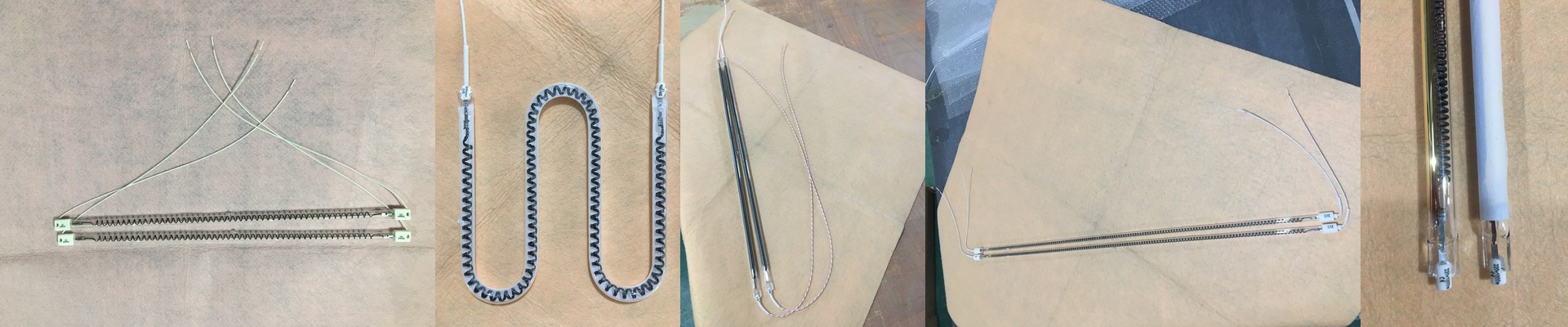
Here’s the thing about curing brake pads: heat penetration isn’t one-size-fits-all. If you try to use the same IR lamp for ceramic pads and semi-metallics, you’re going to have a bad time. You’ll see inconsistent results across the batch, and that’s a headache nobody wants. It comes down to how the materials “feel” the heat. Ceramic pads tend to bounce energy back—they reflect it. Semi-metallics? They soak it up fast. But there’s a catch. If you crank the intensity too high on a semi-metallic pad, you’ll scorch the surface before the center even gets warm. The science of the soak We pick the waveband based on how the material absorbs energy. For those dense ceramic compounds, we usually go with shortwave IR. It’s the only way to really punch through the surface and cure the resin all the way to the core. Semi-metallics are different because they’re packed with steel fibers and copper. They react aggressively. With these, we tune the output carefully. You want the core to hit the target temperature without burning the outside to a crisp. Picking your heater You can’t just guess the wattage and hope for the best. That’s a recipe for wasted money. We look at how big your oven is and how fast your line is moving. If you’re running a high-volume line, a high-density shortwave quartz tube is your best bet for a rapid ramp-up. But be careful. That much heat in one spot is intense. If your cooling system isn’t up to the task, you’ll end up overheating your oven housing. Making it work in the real world Once you start wiring things up, placement is everything. If the lamps aren’t positioned right, the cure won’t be uniform. I always suggest a multi-zone setup. It gives you the flexibility to tweak the intensity across the pad’s surface. Just a heads-up: shortwave lamps don’t last as long as medium-wave ones if you’re pushing them to the limit. It’s a trade-off. You get a faster cycle time, but you’ll be replacing lamps more often. When you get the material and the lamp in sync, those annoying surface blisters and under-cured cores just disappear. It’s all about matching the IR spectrum to your specific formula so the bond actually holds when a driver slams on the brakes.