Stop Fighting Your Parts: A Better Way to Handle Thermoforming Warp
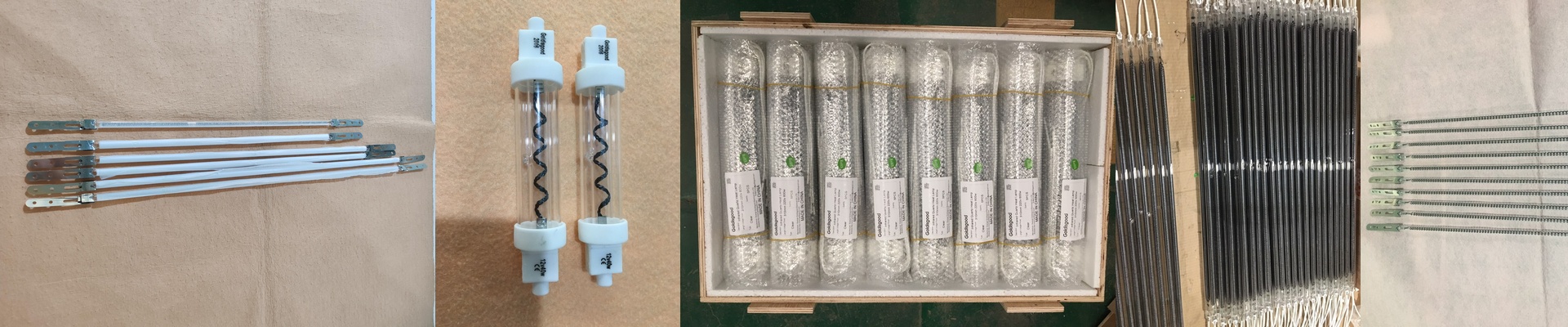
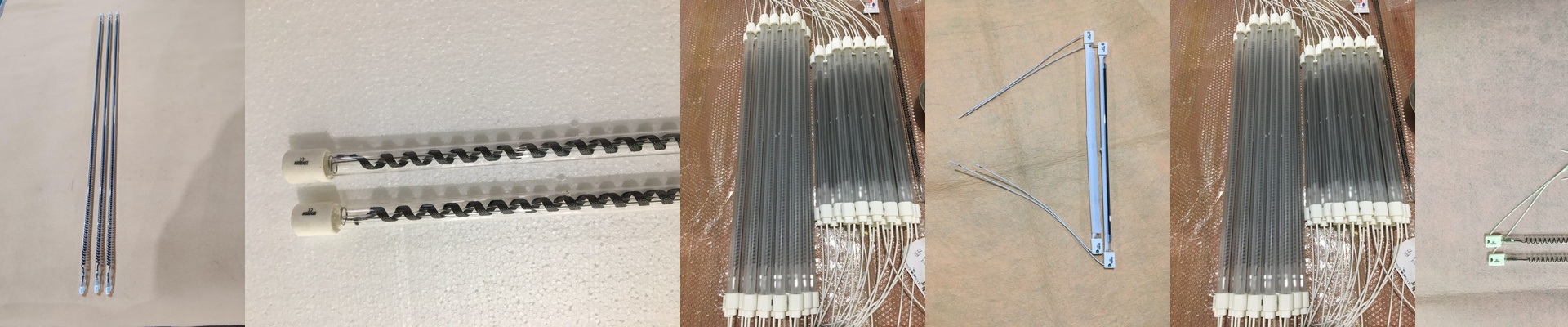
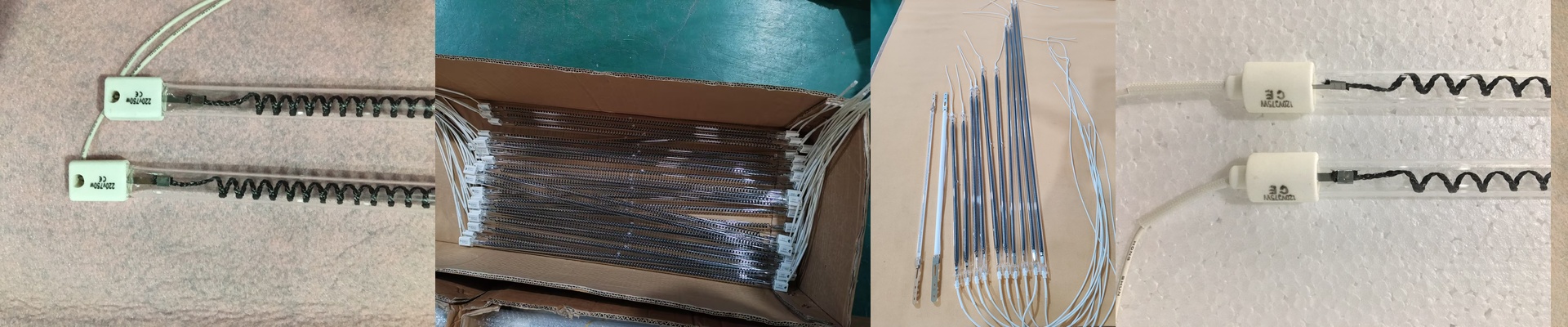
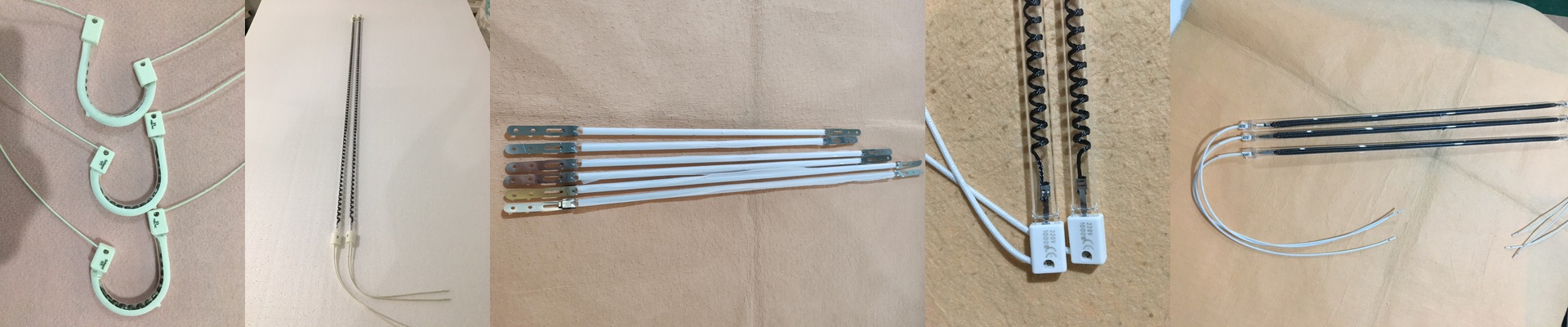
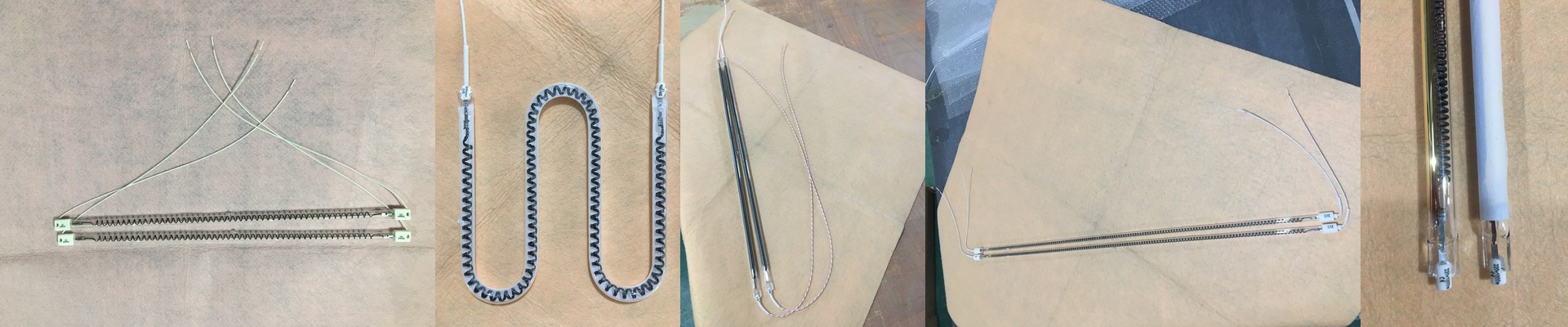
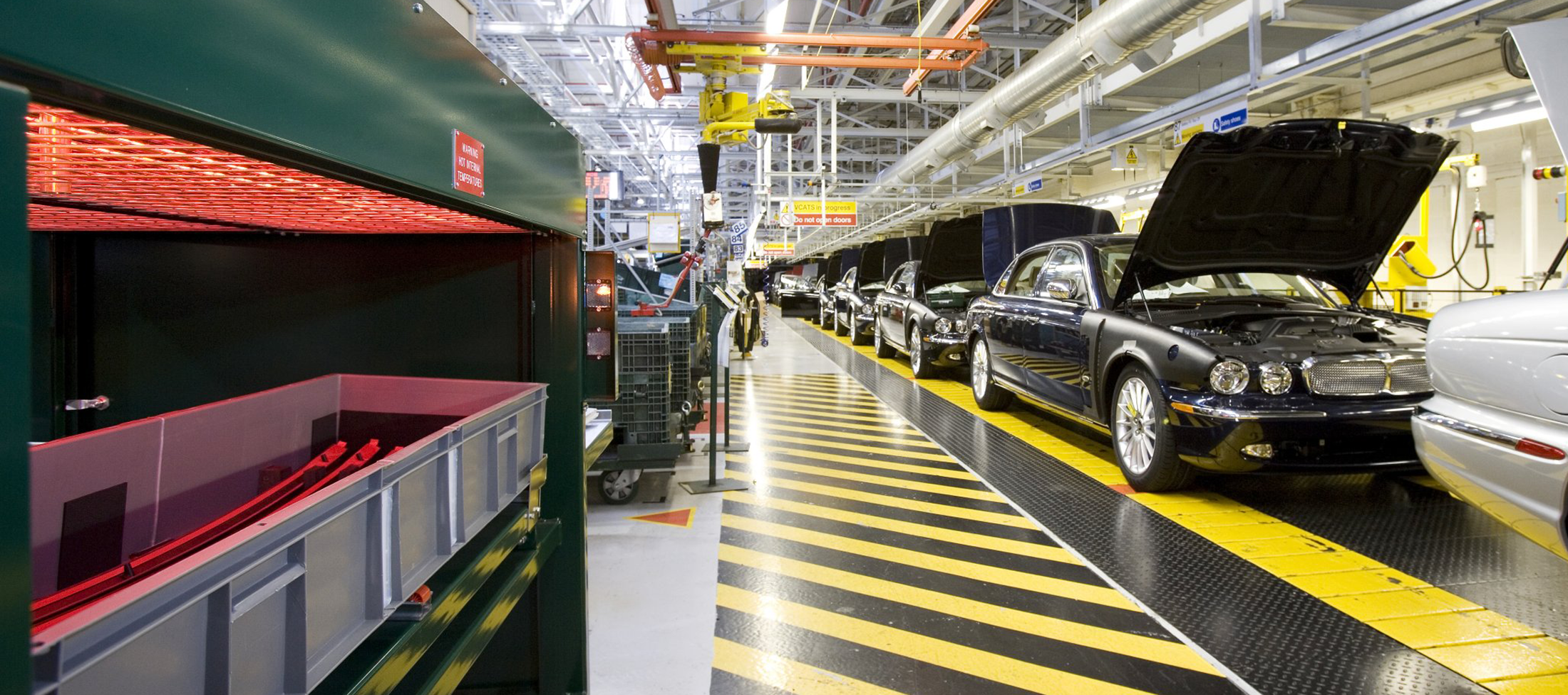
Ever pull a part out of the mold only to watch it warp right in front of you? It’s frustrating. You’ve done the work, the CAD looks perfect, but the material has a mind of its own. That “spring-back” happens because of uneven heat. When some spots are too hot and others aren’t hot enough, you’re basically locking stress into the plastic. Once it hits the air, that stress lets go, and your part twists. We found a way to stop that. Instead of just blasting the whole thing with heat, we use zonal infrared (IR) control. How it actually works Think about a standard heater. It usually cooks the edges while the center is still struggling to catch up. That temperature gap is exactly what causes the snap-back. Our approach is different. We use IR arrays that let us target specific spots. By splitting the heating elements into their own circuits, you can dial in the wattage for different sections of the trim. The goal is simple: get the entire surface to that sweet spot—the glass transition temperature—at the exact same time. When the heat is uniform, the stress disappears. Your part actually stays the shape it’s supposed to be. The nitty-gritty (and the risks) We stick with short-wave IR emitters. Why? Because they dive deeper into the polymer. It means you spend less time heating, which keeps the surface from degrading or looking burnt. But you have to be careful. If you crank the wattage too high in a tiny zone, you’ll scorch the material. It’s a bit of a balancing act. You need a PLC that reacts fast so you don’t overshoot your target. It’s all about that tension between getting the heat up quickly and holding it steady. What this means for the shop floor The best part? No more guesswork. You stop fighting the mold and start fixing the problem where it begins—the heat. You get tighter tolerances, way fewer rejects, and a lot less stress for the operators. For those big, complex automotive pieces, it’s really the only way to make sure they come out right every single time.