Stop the Cracks: Getting Brake Lining Curing Right
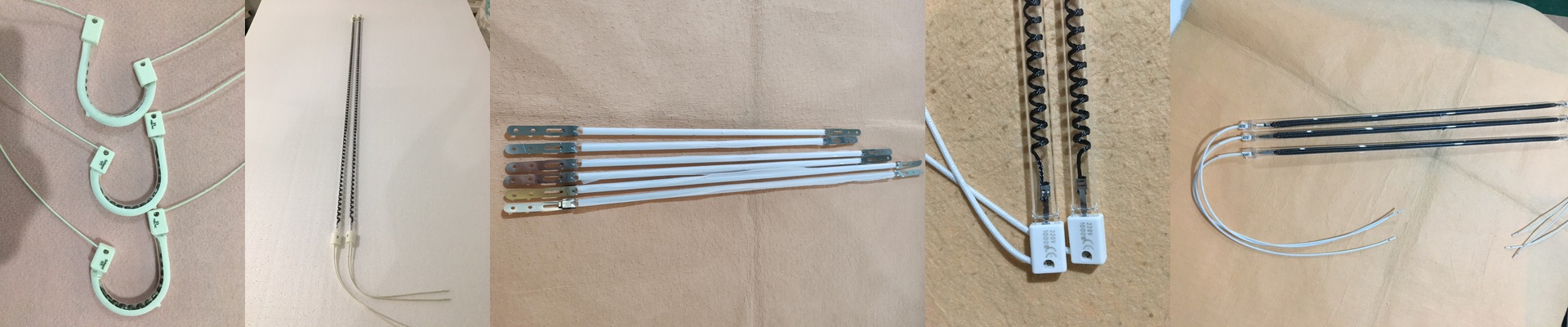
If you’ve ever pulled a batch of brake linings out of the oven only to find surface cracks or those annoying little air pockets inside, you know the frustration. It usually comes down to one thing: the heat is hitting the surface way faster than it’s reaching the core. When that happens, the material stresses out. It expands unevenly, and suddenly you’ve got a part that’s structurally compromised. To fix this, we use short-wave quartz infrared heaters. They’re a lifesaver for managing “heat soak.”
The Trick to Thermal Gradients
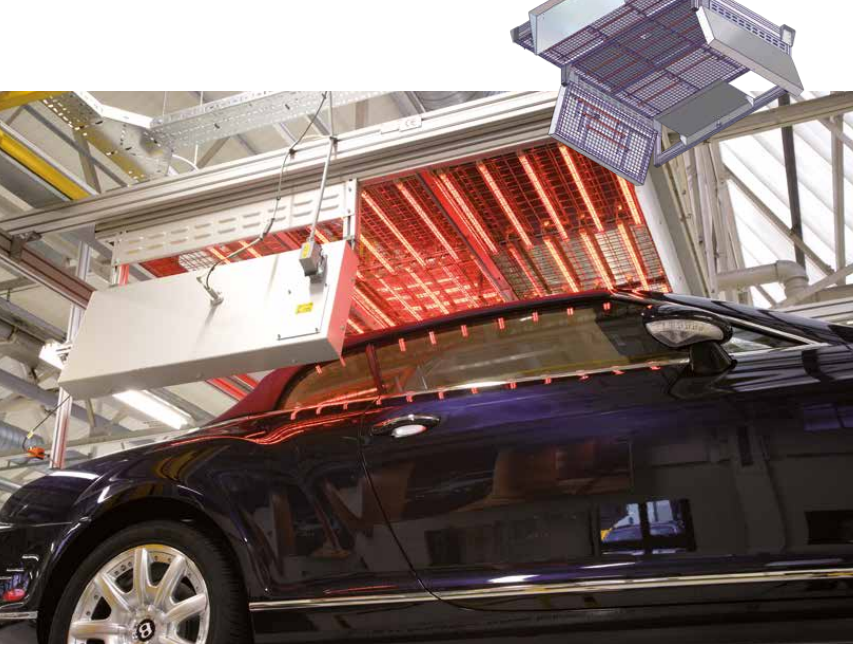
Here’s the thing about curing resin: it’s picky. If you use a standard convection oven, there’s a lot of lag. By the time the center of the lining is actually hot enough to cure, the outside is already over-baked and cracking. Quartz lamps change that. They let us hit exact temperature targets without the waiting game. By playing around with the wattage and the distance between the lamp and the lining, you can basically “dial in” how fast the temperature climbs. The goal is simple: get that core up to temp before the surface gets scorched.
Why Quartz Actually Works
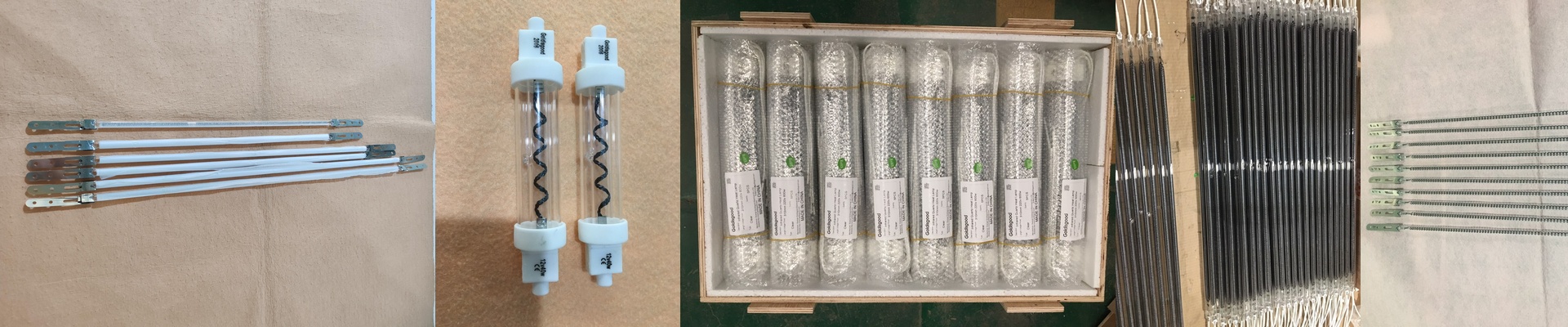
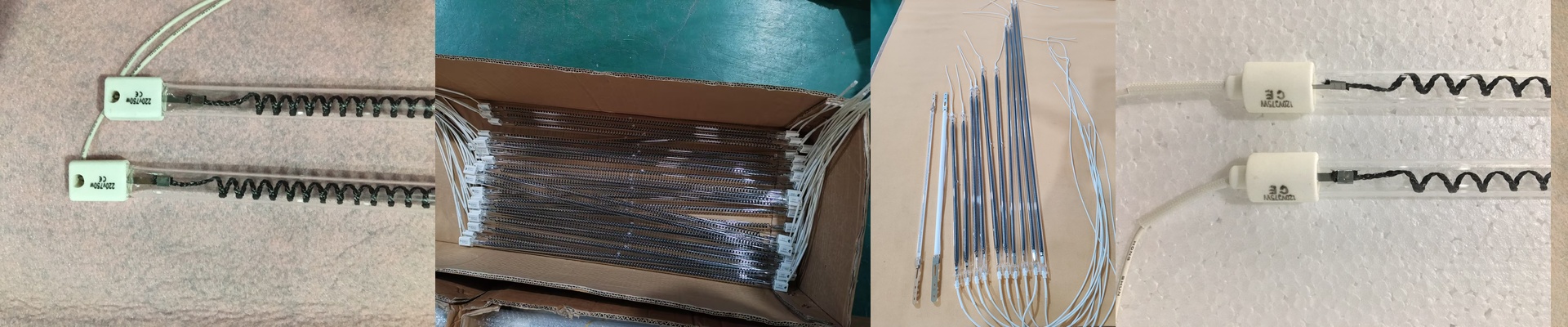
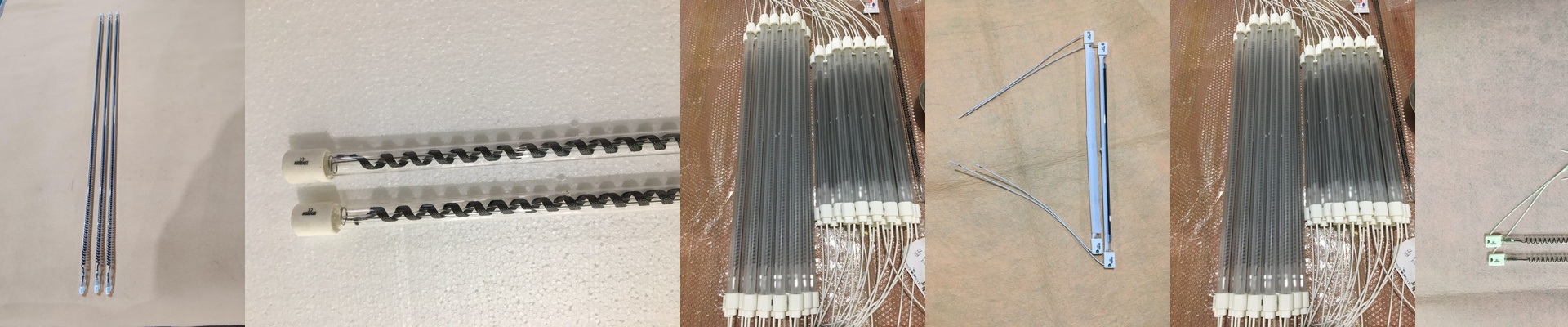
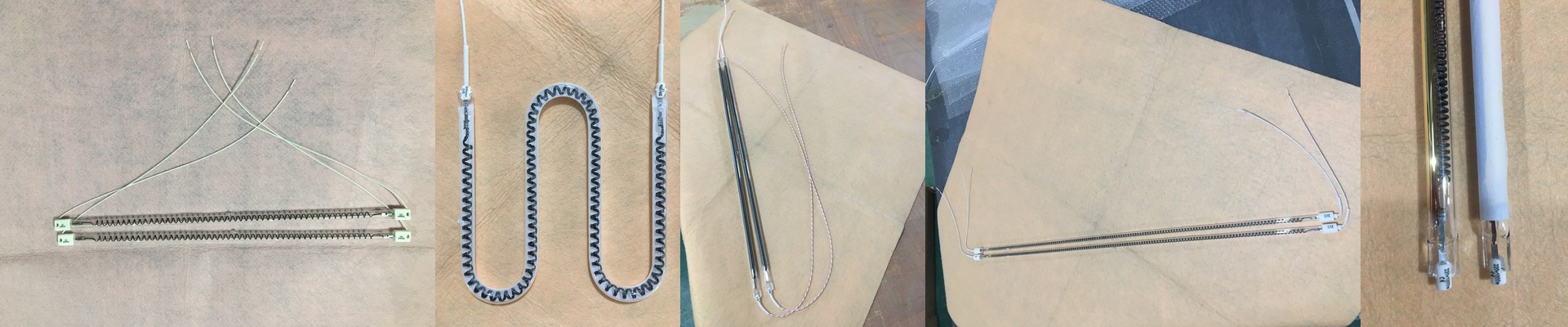
We use high-purity quartz glass to hold the tungsten filament. Why? Because it lets short-wave radiation pass right through. Instead of heating the air around the part, the energy goes straight into the friction material. It’s fast. Really fast. But you have to be careful with your power density. If you cram too many watts into a small area, you’ll burn the organic binders right out of the mix. To keep things under control, I highly recommend using PID controllers and sticking thermocouples directly into your lining jigs. It creates a closed-loop system that stops the temperature from “overshooting” and ruining your hard work.
Real Talk: The Shop Floor
Now, these lamps are great, but they’re fragile. One clumsy move during installation and snap—there goes your tube. Make sure your mounting brackets are rock solid and keep your wiring far away from the heat zone. Otherwise, your insulation is going to melt. And a heads-up on your power: high-intensity quartz pulls a lot of juice. If you’re running a whole bank of these in a tunnel oven, check your electrical panels. You need to be ready for that initial inrush of current. If your wiring is weak, you’ll get voltage drops. And if the voltage drops, your curing becomes uneven across the batch, putting you right back where you started.