Stop Wasting Floor Space on Your Brake Pad Dryers
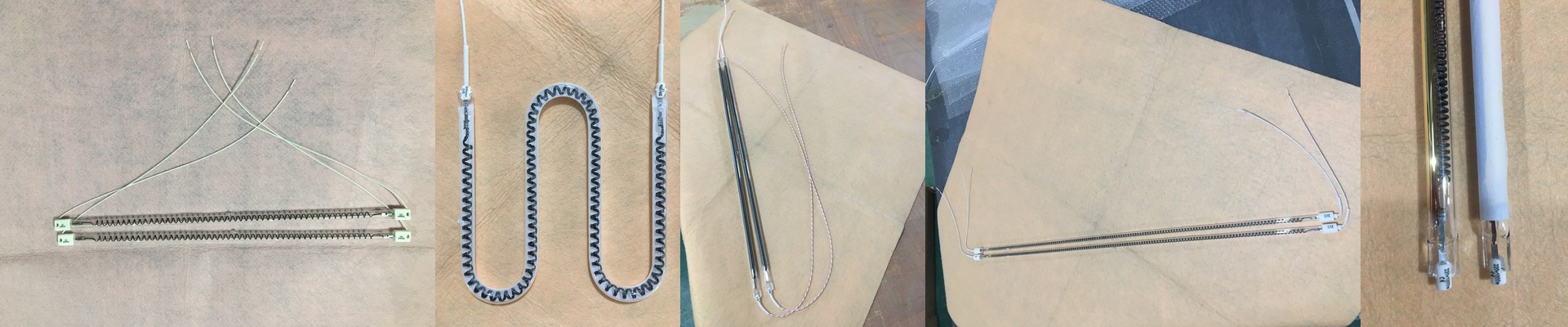
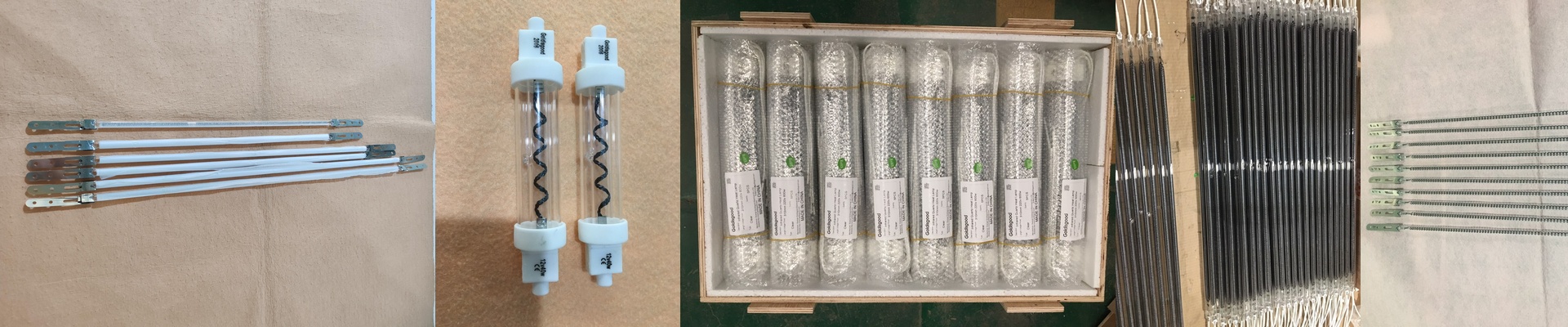
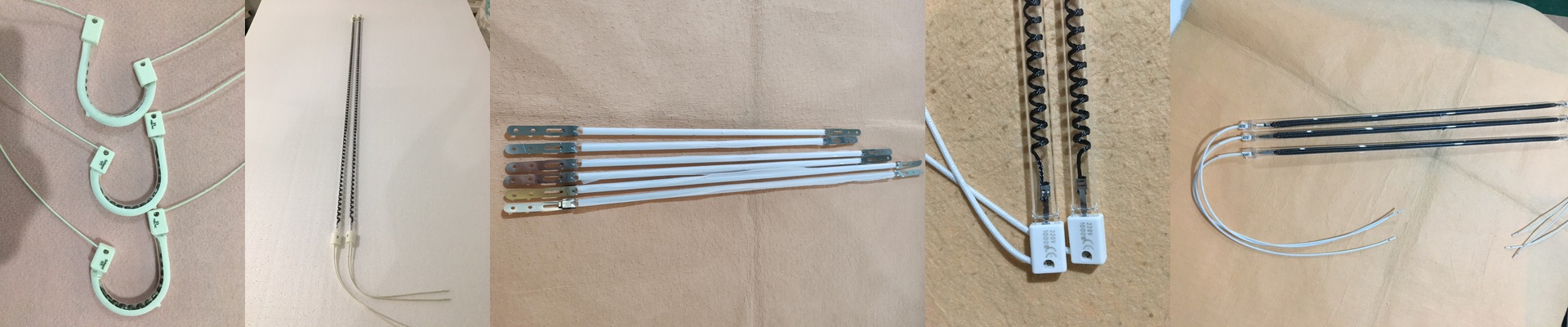
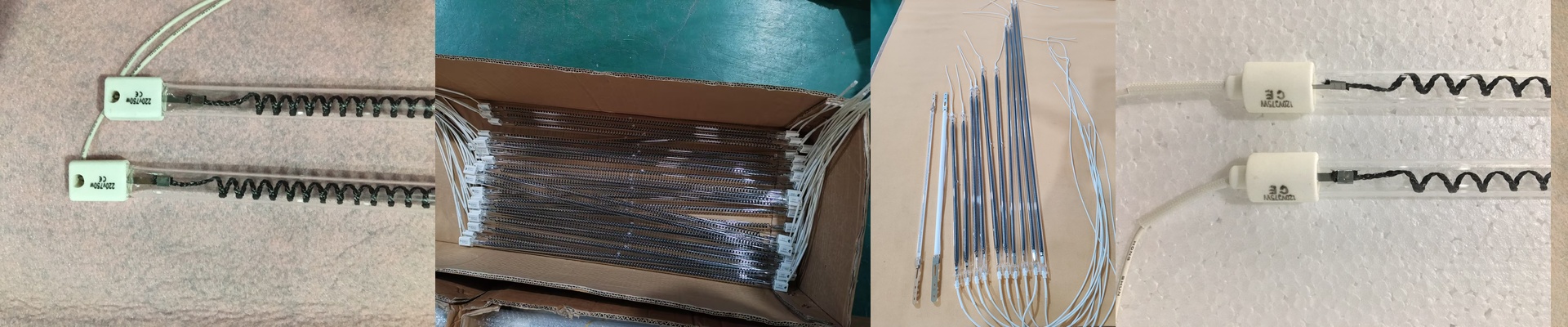
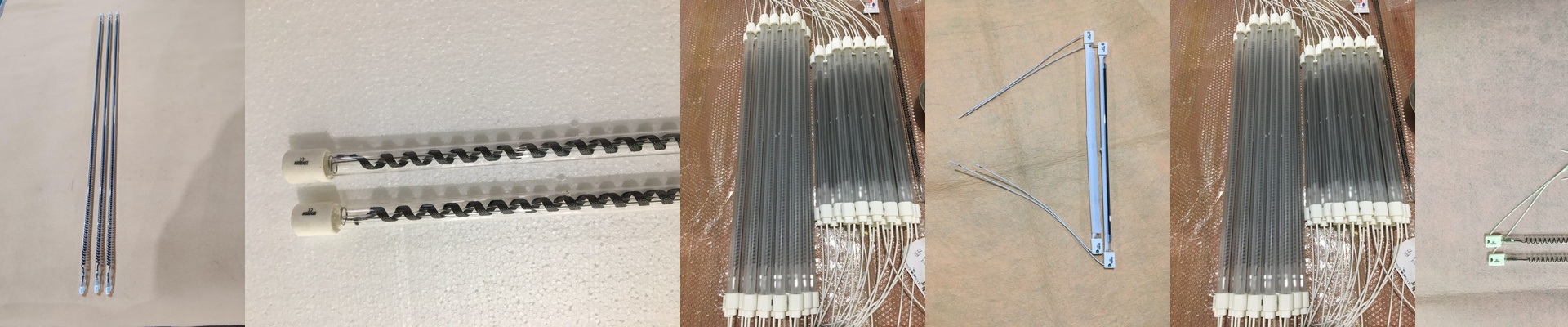
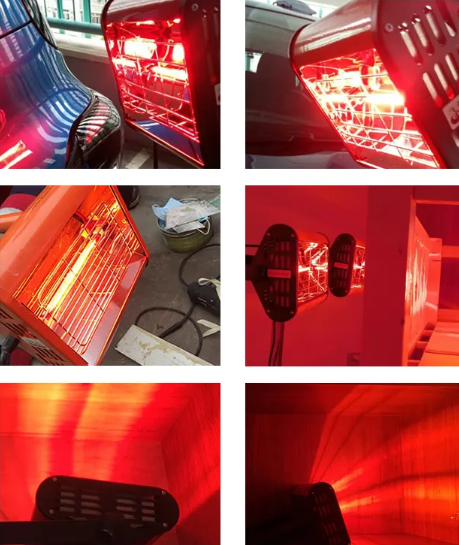
If you’re still using standard convection ovens for your brake pad coatings, you know the struggle. You end up with these massive, winding tunnels that eat up half your factory floor just because hot air takes forever to actually soak into the material. It’s slow, it’s bulky, and it kills your cycle time. We’ve found a better way. Instead of heating the air, we use shortwave infrared (SWIR) to push heat straight into the coating. Why it actually works Here’s the thing: SWIR doesn’t care about the air around the part. It sends out radiation that the resins in your coating just soak up. The result? Your surface hits curing temperature in seconds. You can take a 20-meter tunnel and shrink it down to a few meters of IR banks, and you won’t lose a single unit of output. It’s a massive win for your floor plan. The nuts and bolts To get that kind of punch, we use high-wattage quartz halogen lamps. These things are incredibly responsive. The second you flip the switch, they’re at full power. We also use focused reflectors. This keeps the energy aimed right at the brake pad and stops you from wasting heat on the conveyor belt. But a word of caution: you’ve got to get your PID control loop dialed in. These lamps react fast. If your sensors are off, you’ll overshoot the temp and end up scorching your coating before you even realize what happened. The real-world trade-offs Look, moving to IR boosts your throughput, but it changes how you handle power. Those quartz tubes pull a lot of current, so make sure your electrical panels can handle the spike when you start things up. Also, keep in mind that quartz is fragile. If your team is a bit rough around the edges or the shop gets messy, those tubes can burn out or break. I always suggest putting up some protective shields to keep the dust and debris off the glass. It really comes down to a simple trade: you use more power density to get your floor space back and move more parts per hour.