The Struggle with Brake Pad Curing
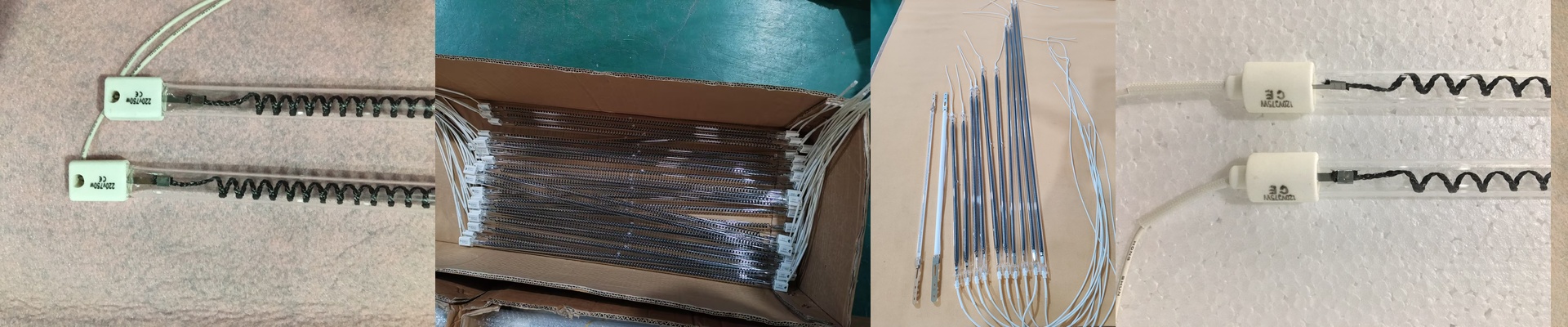
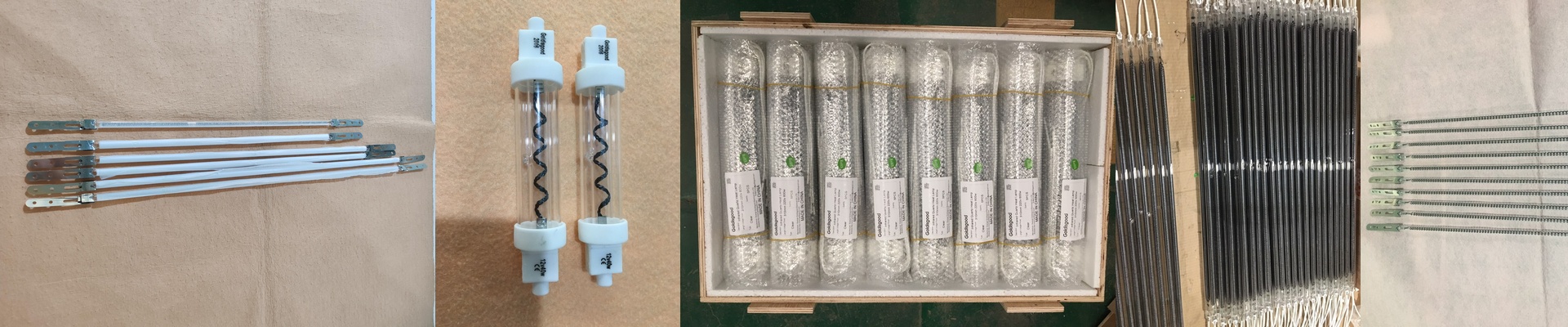
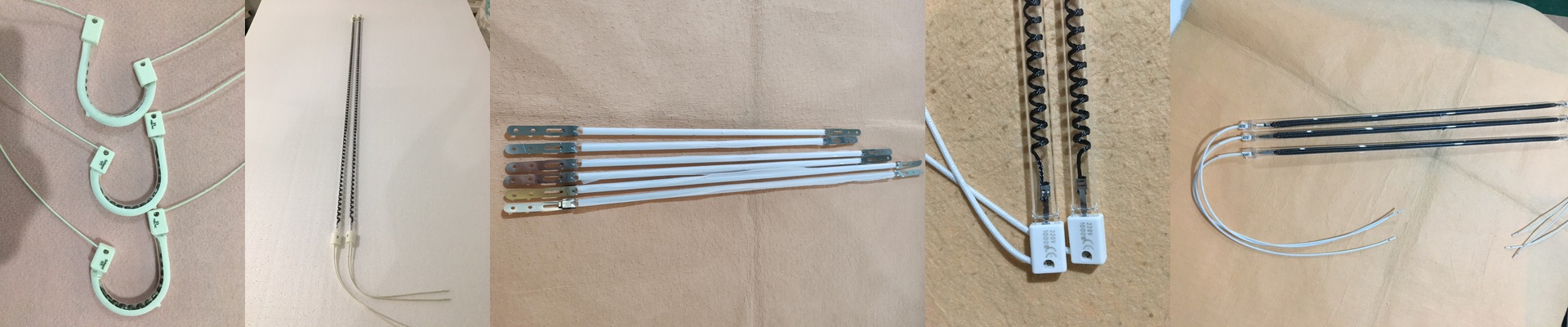
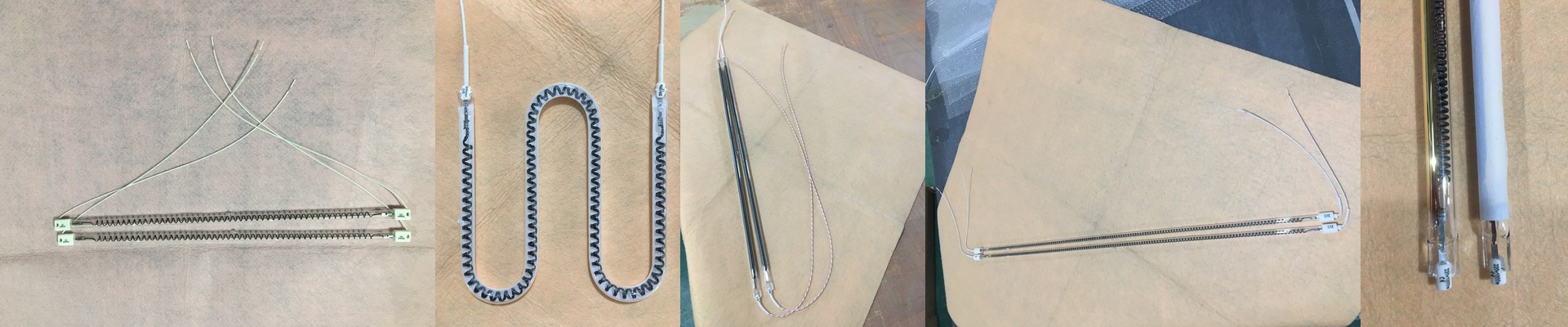
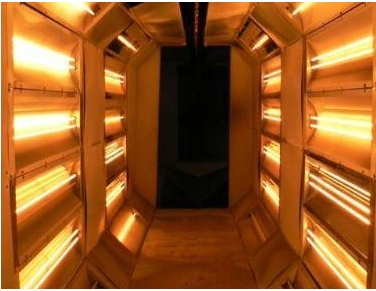
Curing brake pads is a bit of a balancing act. If you crank the heat too fast, you run into a nasty problem: the outside hardens into a shell while the middle is still wet. That creates a lot of internal pressure and stress, which usually ends in micro-cracks and holes. Not great. To fix this, we use short-wave infrared (IR) lamps. Unlike those old-school convection ovens that just blow hot air around, IR actually sinks deep into the friction material.
Getting the Heat Where it Needs to Go
The trick to avoiding cracks is making sure the heat moves at the same speed the material can actually handle. We use IR lamps that pack a concentrated punch of energy. This pushes the heat toward the center of the pad before the surface gets too hot. But you have to be careful. If the wattage is too high for the size of the part, you’ll just scorch the surface and leave a raw, uncured core. It’s all about finding that sweet spot between your power density and how fast your conveyor belt is moving.
Avoiding the “Over-Bake”
Then there’s thermal shock. This happens when the gap between the lamp temperature and the part temperature is just too wide. To keep things under control, we use PID controllers paired with non-contact pyrometers. Basically, the system watches the surface of the pad in real-time. The second the sensor hits the target temperature, the lamp throttles back. It stops that “over-baked” feeling that makes the pads brittle and prone to snapping.
The Trade-off
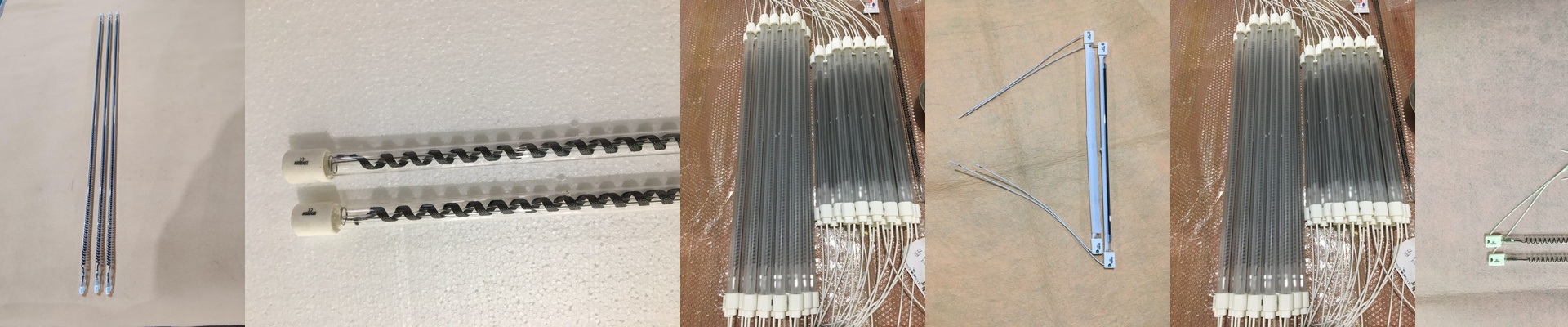
Here’s the catch. High-intensity IR lamps are fast. Really fast. But they put a massive strain on your electrical setup. When you’re running high-wattage quartz tubes, your cooling fans have to be up to the task. If the housing gets too hot, the quartz can warp or your connectors might just give up. You get the speed, sure, but you’ve got to manage the ambient heat of the machine if you don’t want your lamps burning out every few weeks.