Getting Your IR Wavelengths Right for Brake Pads
Here’s the thing about curing brake pads: you can’t just treat them all the same. If you try to use the same IR lamp for ceramic pads that you use for semi-metallics, you’re going to have a bad time. You’ll likely end up with surfaces that are burnt to a crisp while the inside is still basically raw. It all comes down to how the material actually “grabs” the heat.
Ceramic vs. Semi-Metallic: The Big Difference
Semi-metallic pads are packed with copper and steel fibers. They act like giant sponges for heat, soaking up infrared energy fast and across the board. Ceramics? Totally different story. They don’t move heat around as easily. That’s why we don’t just give you a generic lamp. For ceramics, we usually lean into short-wave IR. It digs deeper into the material. Without that depth, you get what we call the “skin effect”—where the outside looks done, but the core is still wet. Not a great way to make a brake pad.
Tuning the Heat (Without Burning the House Down)
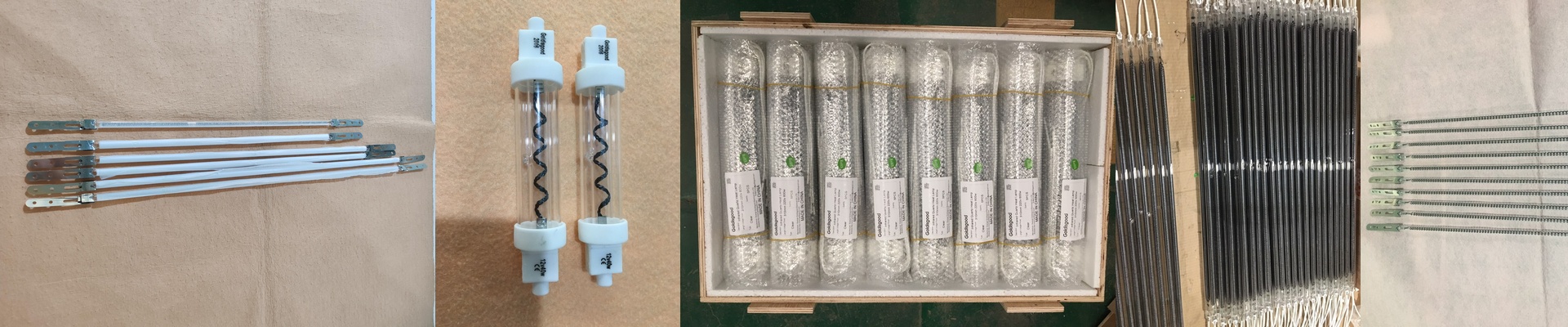
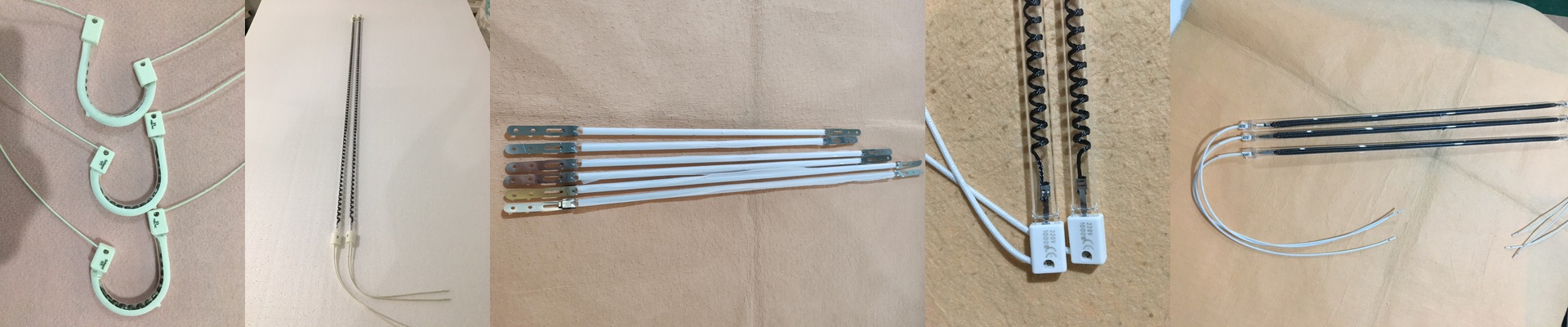
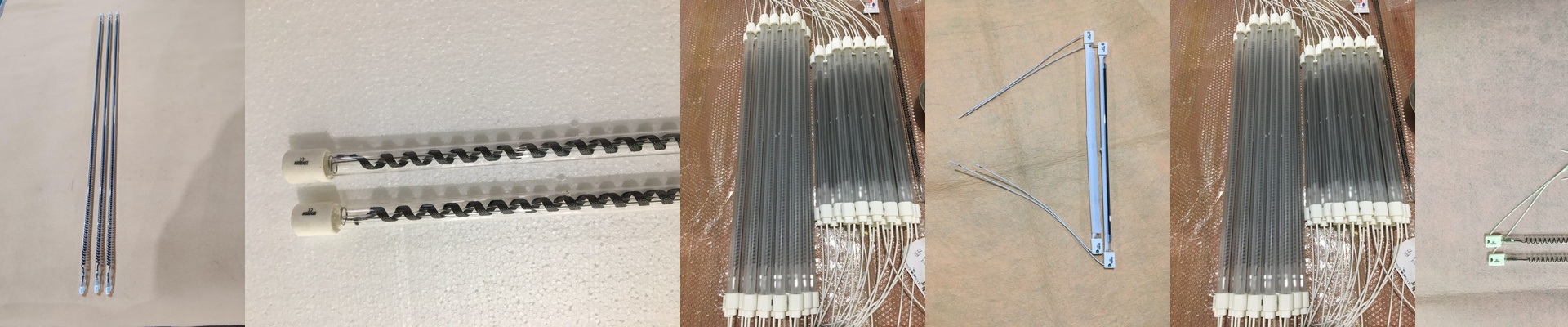
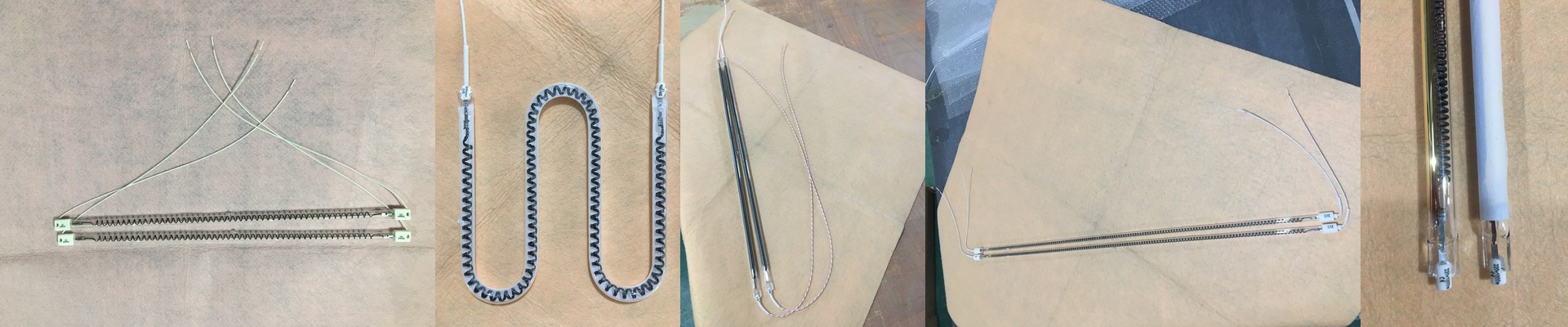
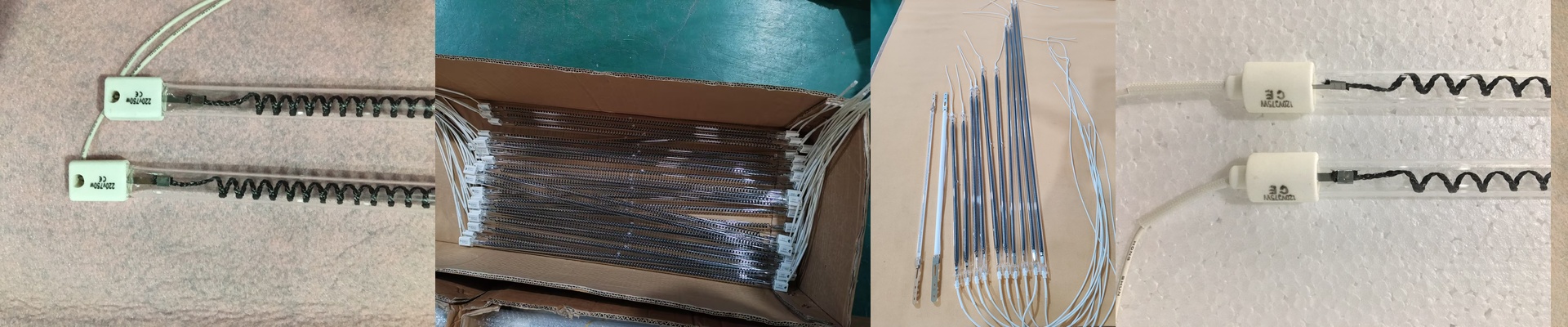
When things aren’t curing right, the temptation is to just crank up the wattage.**Don’t do that.**All you’ll do is fry your resin. Instead, we tweak the actual build of the lamp—things like the filament material and the coating on the quartz envelope. Short-wave lamps are great because they pack a punch, which means your cycle times drop. But there’s a catch. That high-density heat is hard on your reflectors. If your reflectors are dirty or pitted, you’re basically throwing money away because your efficiency plummets.
Setting Up Your Line
When you’re wiring these into your line, keep a close eye on your power density. A setup that works perfectly for semi-metallics might absolutely roast a batch of ceramics. We usually suggest zoned controls. It just makes life easier. You can tweak the heat on the fly depending on whatever material is moving through the line at that moment. One last tip: keep your lamps close to get the most heat flux, but for the love of everything, make sure the pads don’t actually touch the quartz. One little bump and the lamp is toast. Period.